
Stonemason diagnosed with lung cancer from 40-year toxic dust exposure warns of ‘ticking time bomb’ on building sites
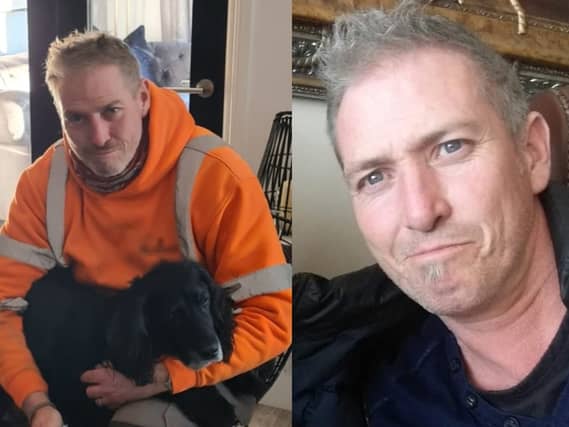

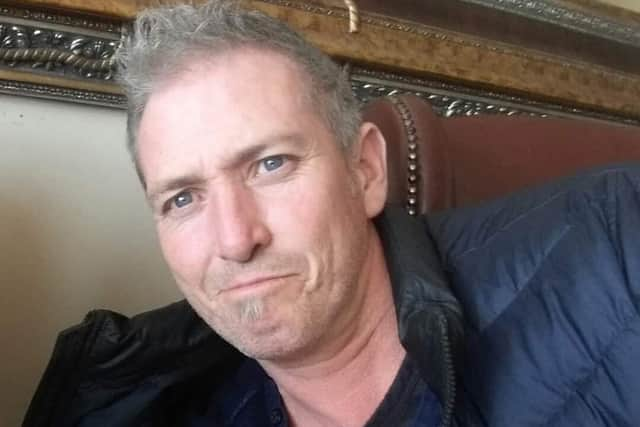
Athol Hill has been diagnosed with three chronic conditions related to silica dust that led to having a finger amputated and half of his lung removed.
A construction worker for more than four decades who was repeatedly exposed to a form of dust that led to a chronic lung disease and malignant tumours is warning others about this “ticking time bomb” on construction sites.
Athol Hill, 56, from Dunfermline, Fife, started working as an apprentice stonemason in 1986 aged 16 and said he was “cutting stone right from the off” but there were “not a lot” of safety measures in place.
As a result, he regularly inhaled respirable crystalline silica (better known as silica dust) while cutting materials like brick, concrete, stone, asphalt and tile. Silica dust can penetrate deep into the lungs, causing irreversible damage over time and leading to serious and fatal respiratory and autoimmune diseases.
Even though regulations on construction sites across the UK have improved since Athol first started his career, and he said his current job is “very health and safety conscious”, he has been diagnosed with silicosis – a chronic lung disease – and lung cancer, needing half of his left lung removed.
He also has a rare autoimmune condition called scleroderma that causes hard, thickened areas of skin and led to his right index finger being amputated in 2006.

Scott McGibbon, Fellow of the Chartered Institute of Building, confirmed silica dust can lead to silicosis, lung cancer and scleroderma, along with “over 100 types of other interstitial lung diseases”.
Athol’s diagnoses mean his breathing is particularly affected by bad weather and he said he gets “a lot more breathless” while completing physical tasks at work.
“It’s a great job and I’ve loved it, but when I started I didn’t know it was going to cost me my health,” Athol told PA Real Life.
“I know a few guys who have died due to (complications from) inhaling silica dust and I just want that to stop.
“It’s too late for me now… but (I’m sharing my story) for the young guys coming through.
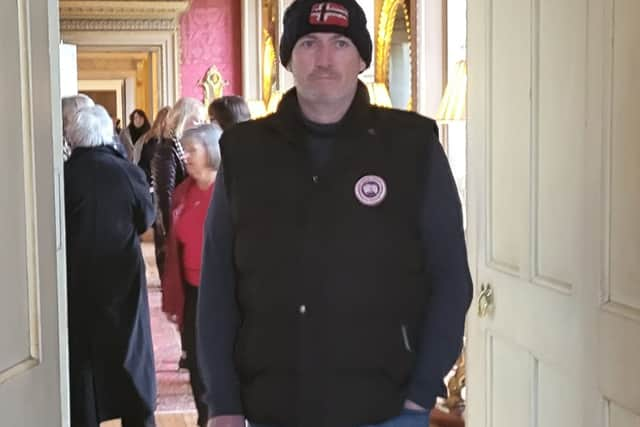
“If it can save lives in the future, then that’s a good thing.”
When Athol first started working as an apprentice stonemason at 16, he said he was “thrown in the deep end” and was cutting stone from the very beginning of his career.
At the time, he said there were “zero” safety measures on sites he worked on, except for a paper mask “if you were lucky”.
By the end of the 1990s, Athol said he heard about silica dust for the first time after he learnt of older colleagues “suffering from ailments” because of it.
It was around this time that he remembered the company he worked for implementing routine chest X-rays and breathing tests.
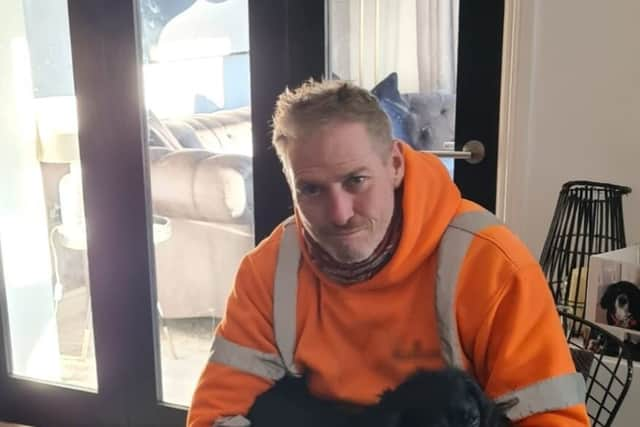
This is how Athol came to be diagnosed with scleroderma in 2000, after he noticed his fingers developed hardness and were difficult to move.
By February 2006, Athol said he “hadn’t had a full night’s sleep” in over a year due to the pain of this condition so he had his right index finger amputated.
Athol said: “At first the relief was immense and I had the best sleep in a long time… but then depression started creeping in and put me in a bad state.”
He said he still gets “ulcerations” on some of his fingers.
Since 2000, Athol started receiving half-yearly lung tests and it was at one of these routine tests in 2010 that he was sent to a chest specialist for a CT scan and diagnosed with simple silicosis in both lungs – the early stage of the disease.

Athol said: “To be honest, I didn’t think too much about it initially because the word ‘simple’ was put in front of it.”
“But then when I looked into it, that’s when I found out how dangerous (silica dust) can be.”
The main symptoms of silicosis are a persistent cough and shortness of breath, weakness and tiredness, according to the NHS.
Athol continued to get six-monthly lung tests to monitor his condition, and he said doctors found that his lung capacity was “less and less” over time.
Then, in December 2021, Athol’s rheumatologist noticed a change in his breathing and sent him for a CT scan that showed an abnormality in his left lung.

That is when Athol was told he had lung cancer, aged 52.
Athol said: “I was gutted, scared and shocked – all of those words and all of the emotions you can imagine.
“It felt like a kick in the proverbial you-know-what.”
After doctors advised him to wait a “couple of months” to see if it grew, Athol said he had a biopsy in February 2022 that confirmed three malignant tumours.
So, Athol had half of his left lung removed at Edinburgh Royal Infirmary on April 20, and was told there was no need for chemotherapy because he said doctors were “quite confident” they got it all.
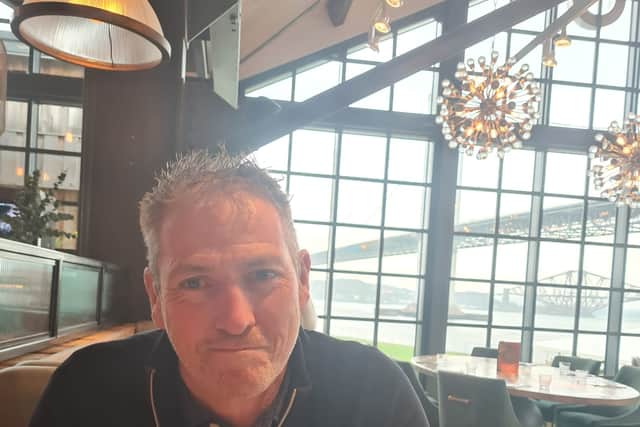
But in April 2026, Athol said a follow-up PET scan showed three more tumours in the remaining part of his left lung, as well as in his pancreas – the latter, his doctor told him, had likely “nothing to do” with his lung cancer.
Athol had part of his pancreas and spleen removed in September this year and he is waiting to find out if he can start chemotherapy.
“I was told by the chest specialist that chemotherapy might affect my silicosis,” Athol said.
“They say it can make it worse.”
Reflecting on the prevalence of silicosis in the construction industry, Athol said: “Most stonemasons (around my age) have got silicosis.
“When you’ve been in this job long enough, there’ll be silica exposure.”

Stonemasonry accounts for one in four (26%) reported silicosis cases in the UK, according to research conducted by the Chartered Institute of Building.
Mr McGibbon, who has a PhD in Construction Project Management and previously worked on construction sites himself, told PA Real Life: “No one should have to face a life-changing diagnosis because the risks of their work were not properly understood or controlled.
“We have an opportunity to prevent thousands of future cases of occupational disease… (but) that requires stronger government leadership, better training, and embedding silica dust management into the way projects are procured, planned and delivered, resulting in consistent use of effective dust controls across the industry.”
Mr McGibbon said the current regulatory framework for protecting construction workers from silica dust in the UK is primarily governed by the Control of Substances Hazardous to Health Regulations 2002 which mandates that employers prevent or control exposure to silica dust.
The Workplace Exposure Limit is set at 0.1 milligrams of silica dust per cubic metre of air, averaged over an eight-hour period, and employers are legally required to implement controls including risk assessments, health surveillance for at-risk workers and the provision of suitable respiratory protective equipment.
For high-risk tasks, this often means using air purifying respirators and FFP3 masks – the highest-protection, filtering face piece.
In Athol’s experience as a site manager in his current role, he said he has to “pull people up for cutting without using any protection”.
He added: “Companies can put all the measures possible in place, but it’s still down to the individual.
“Education is the only way you’re going to get the message across, particularly with older workers who are used to just cracking on.”
“I’m in the unfortunate position that it’s too late for me, but I’m telling the younger guys that they need to protect themselves from the start and pester their employers for the best equipment that’s out there, so they can work safely and enjoy a long and healthy career.”
Mr McGibbon has created a toolkit for anyone working on a construction project – both as a professional or DIY at home – to be aware of the dangers posed by silica dust: ciob.org/news/new-silica-toolkit-launched-as-research-exposes-knowledge-gaps.