
What SPF should I wear under make-up?
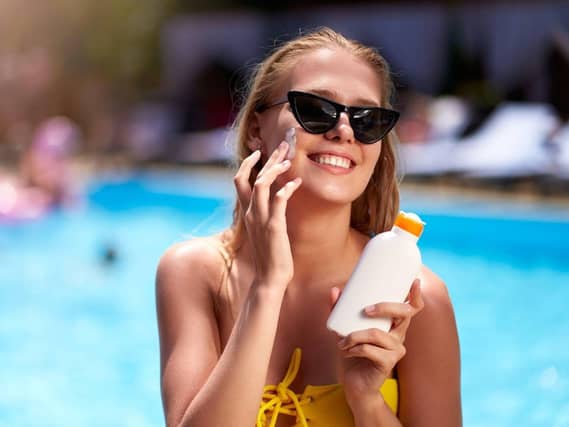

Experts share their top tips on application, the best types of SPF and how to ensure a long-lasting, flawless look when wearing make-up.
When it comes to wearing SPF under make-up, there are several dos and don’ts to consider.
Ensuring SPF is applied in the best way, and tailored to specific skin types, is essential to ensure sufficient sun protection while achieving a long-lasting, flawless look.
Here’s what experts have to say about choosing the best facial SPF and their top tips to ensure it sits well under make-up…
How often should you wear SPF?
It’s important to acknowledge the importance of wearing SPF and re-applying it regularly, particularly when exposed to the sun for prolonged periods of time.
SPF, which stands for sun protection factor, helps protect the skin from UV damage, reduce the risk of skin cancer and prevent premature skin aging, according to The Skin Cancer Foundation.
Dr Ross Perry, leading skin doctor and founder and medical director of Cosmedics, says people need to be “sensible” with their SPF application – but the “take-home rule is something’s better than nothing”.
Generally, the two-finger rule is an easy guide for application: squeeze sunscreen along the length of the index and middle fingers to cover the face and neck sufficiently.
“In the summer months, certainly spring/summer, I would say (people should wear SPF every day) if they are outside,” he says.
“Obviously, if you have an office-based job, you need to be practical. You’re not going to get much sun exposure being in the office all day.
“You need to choose a sunscreen that’s appropriate for your skin, but also appropriate for the setting that you’re in.
“Honestly, any sunscreen is better than nothing.”
What factor is best and how long before sun exposure should you apply SPF?
Perry recommends SPF 50 for those with fair skin, mature skin, skin problems or sun-damaged skin, and SPF 30 for those with more tanned or olive skin.
He says it takes around “half an hour to kick in” once sunscreen is applied, and it is important people do not “cheat” in the hopes of getting more tanned.
“Any tan is causing sun damage or potentially increasing your risk of skin cancer, so try not to cheat it,” he says.
“You know you’re going to get some sun exposure anyway because sunblocks aren’t 100% effective and, certainly throughout the day, sunscreen and so forth wears off.
“There’s no need to try and be clever and try to ‘guesstimate’ the amount of sun that your skin can or cannot take.”
He adds: “Be sensible. There’s no harm in using it… It’s better to be more liberal with it and use more of it and re-apply it more regularly than getting burnt.”
Does skin type matter?
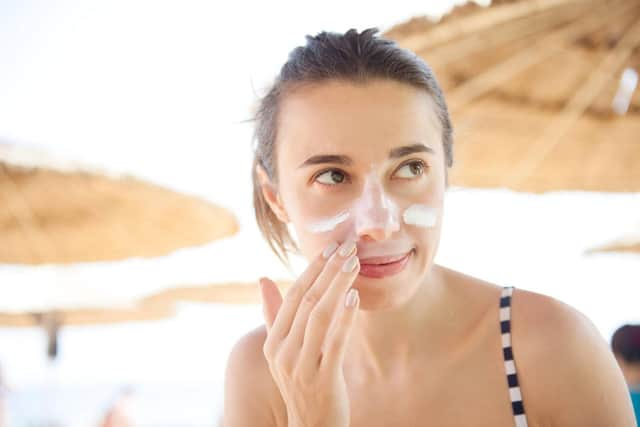
Another factor to consider is skin type and how different SPFs can affect this.
Perry says those with oily-prone or acne-prone skin should opt for a lighter formula, such as a gel or fluid water-based SPF, and mineral sunscreens are a good option.
Those with sensitive skin should opt for one which is less alcohol-based, and those with skin conditions such as rosacea should try a gentle product with more hydrating ingredients.
For mature skin, a sunscreen with “more hydrating aspects to it” could be beneficial, while those with skin considerations such as melasma or pigmentation should wear SPF 50 products.
He adds: “Know your skin type, know what environment you’re going to go into.
“It’s almost like if you’re a lecturer, know your audience. You know what you’re going to say, you know what you’re going to be doing and you know the environment you’re going to be in.
“If you weigh up all of those factors, then you pick one accordingly.”
Top application tips for under make-up
Hedi Rad, make-up artist and clinic manager at Waldor Clinic, stresses the importance of skin preparation as the first step.
She says people should use their usual skincare products and moisturisers first, before their SPF, but it is essential to wait at least one to two minutes in between each layer to avoid disrupting the products.
“Between your products, you need to wait for them to absorb,” she says.
“Then, before you apply your SPF, which is the last step as your skincare, you need to get give it a minute or two for it to completely go into your skin.
“Otherwise, then when you start applying your foundation or concealer, it starts pilling.”
Rad says the safest SPF option for under make-up is one that is mineral-based with a lightweight, almost watery, formula, to avoid a heavy or greasy finish.
She also suggested avoiding using tools like a beauty blender or heavy swiping motions with a brush, as this can waste the product or disrupt the base underneath.
For those who don’t want heavy make-up, Rad suggested opting for a tinted SPF to achieve a more “even complexion” or sticking to a lightweight sunscreen and then spot concealing afterwards.
Best ways to re-apply SPF over make-up
Rad says a powdered SPF or sunscreen spray can be applied on top of make-up, but it’s important to remember not to rub the products too much.
Patting or dabbing motions are preferable and re-applying every two to three hours is optimal to ensure sufficient protection throughout the day.
“Sometimes people use a sponge and they still apply the liquid SPF on top of make-up,” she says.
“It can be safe and not ruin the make-up underneath, but again, it goes back to what concealer, what foundation, what setting spray or setting powder you use.
“I think the safest option would be the spray and the powder SPF products (for re-application).”
Top SPF picks
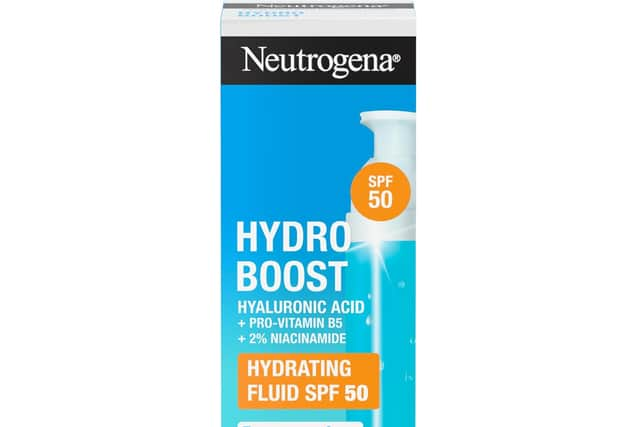
Neutrogena Hydro Boost Hydrating Face Fluid, £11.32 (was £16.50), The Holiday Shop on Amazon
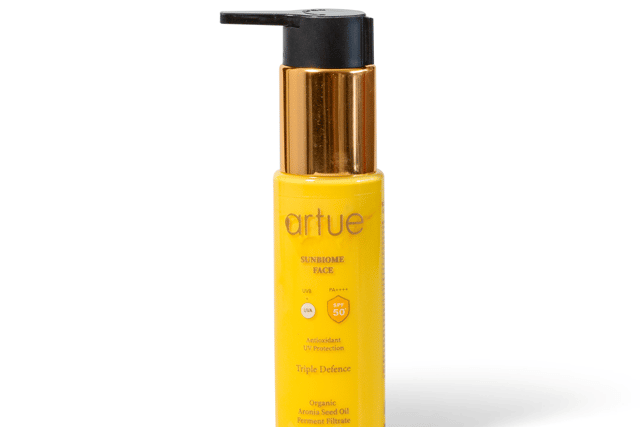
Art de Huile’s Sun-Biome: Aromatherapy-Based Sun Protector, £24
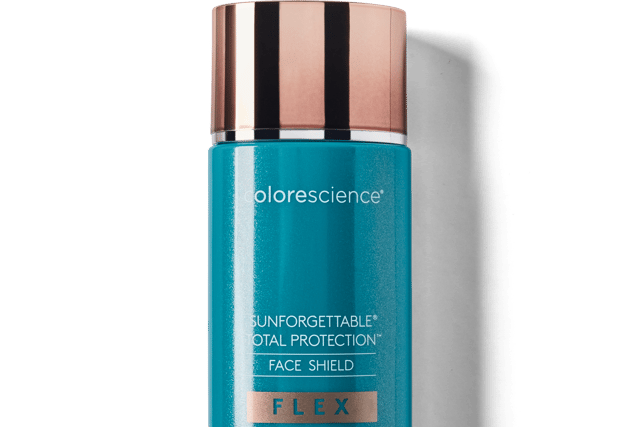
Colorescience Sunforgettable Total Protection Face Shield Flex SPF50, £44
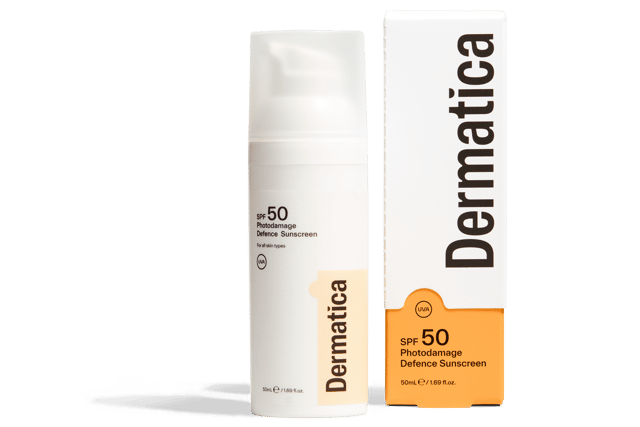
Dermatica Photodamage Defence Sunscreen SPF50, £15.95, Boots
Isoskin Halo SPF50 face and body spray, £25
Katherine Daniels Daily DNA Defence SPF30, £69
RoC Hydrate + Plump Daily Moisturiser SPF30, £29.99, Boots