
Limerick based couple share experiences with body dysmorphia and eating disorders
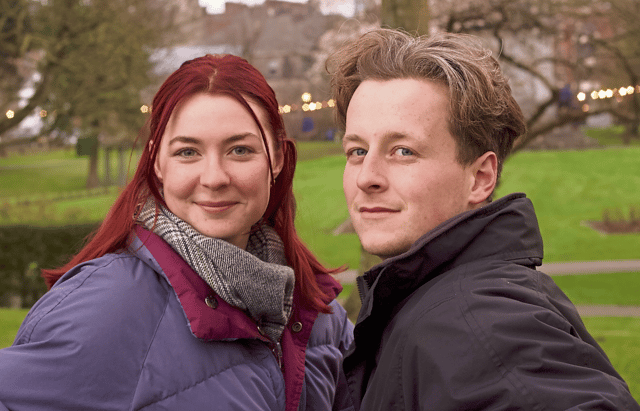

AFTER being friends for nearly a decade, one couple found comfort in each other as they both struggled with eating disorders.
University of Limerick student, Riley Shoebridge, and his girlfriend Anna O’Reilly started dating in September 2021. Originally from Dublin, the pair had always been close but found comfort in each other’s experiences with eating disorders which manifested through body dysmorphia.
Complex, psychological disorders, eating disorders can affect every aspect of a person’s functioning, no matter their age.
An eating disorder manifests when a person has an unhealthy attitude towards food, and usually occurs first during the teenage years. It can either involve eating too much or too little, as well as becoming obsessed with weight and body shape.
In 2021, Limerick resident, Riley was told he had an eating disorder. At first, he thought, “this doesn’t sound like me.”
“I always hated the way I look. Coming to college especially, with the whole fresher’s weight that everyone talks about, and eating a lot of takeaway.”
Before going to the hospital, he thought it was normal to constantly tear his appearance apart. “When I got told I had an eating disorder, I thought, ‘it doesn’t sound like me’,” recalled Riley.
Looking back on “triggering times,” he recalls: “I had a holiday booked, and I knew I’d have to be on the beach, so I just thought I’d get in shape. I was going to the gym five times a week, and I wasn’t eating. My diet was a banana and a Red Bull, and a little bit of dinner, and that was it. And I actually thought I was being good and disciplined with my diet.”
After speaking with his girlfriend, Anna, it all became clear. “I could barely even bring myself to have salad for lunch. I was starving myself.”
To this day, it still holds a “big effect” on the young man. “The body checking and body dysmorphia never go away. It’s an ongoing process, but I’m definitely getting there,” he admits.
As his girlfriend Anna went through a similar process herself, she was able to help Riley. And, that’s how the pair started to look out for one another. Recovery can be a “lonely road,” so they found comfort in each other’s company.
“It was very beneficial to have Riley there. I actually had to hold myself accountable. Because if I’m going to hold him accountable, I have to be held accountable too,” she commented.
Anna first experienced an eating disorder as a teenager. “I probably had an eating disorder for a lot longer than I actually realised,” she says.
“I was in athletics training from when I was 12. When I started competing, I had food journals in which I had to put down everything I ate.”
When she wasn’t training, the young woman thought, “if I don’t train, I can’t eat.”
Quickly, her experience manifested as body dysmorphia. At some point, Anna was starving herself too.
“I was eating very little. I would pretend to eat in front of my parents, said I’d eat in my room, I’d give my dinner to the dog or throw it out the window,” she confides.
“I remember seeing what I looked like through a camera lens and not recognising who that person was. I used to measure my arms and if I felt they had gotten any bigger, I used to feel physically sick,” she adds.
If there is one thing the pair would like people to know, it’s that it’s vital to listen when others mention eating disorders – and more importantly, not to dismiss them with compliments.
“You can just start a conversation and ask how people are feeling. They might shut your down, but checking-in is much better,” Anna says.
“From a female perspective, your body gets commented on a lot,” she points out. When she was at her lowest point, she recalls being told: “You look really skinny, you could be a super model. I was literally skin and bones.”
As they keep one another accountable the pair have discovered a new-found love for food.
“It’s great when we get to experience cooking for each other. We both want the other to be healthy and happy, so that works well,” Riley concludes.