
REVIEW: 'The Tipperary Historical Journal is a cherished success story in the county'
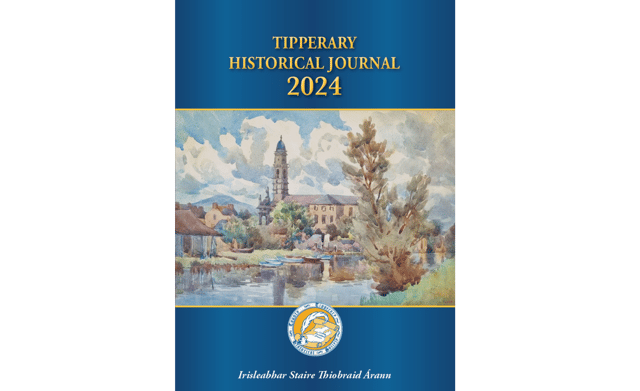

The journal has been published annually since 1988
The Tipperary Historical Journal, published annually since 1988, has become a cherished success story in the county.
Its unwavering commitment to preserving and sharing Tipperary's rich history is evident in its unbroken record of publication, even during the challenging Covid shutdown.
The 2024 edition, with twenty articles and several book reviews, continues this tradition by unearthing forgotten tales and shedding light on lesser-known aspects of the county’s past.
One such story is that of Bridie Garrett Fennessy, who, in her nineties, provides a captivating account of her life working in two “Big Houses”- Marlow and Moyaliffe.
Her detailed description of preparing dinner at Marlow, including digging up horseradish for the sauce, offers a rare glimpse into the “downstairs” world of these grand estates.
The journal also caters to Tipperary’s diaspora, with articles on notable figures who left their mark abroad. Ned McGlinn, a Tipperary native, lost his life during the Eureka Stockade battle in Australia.
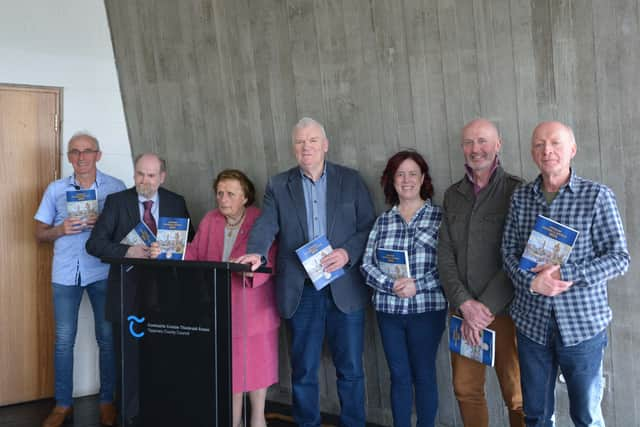
CAPTION: Contributors to the 2024 Tipperary Historical Journal; Left to Right Denis Kenny, Donal O’Regan, Bridie Fennessy, Danny Grace, Annette Condon, Richard Meehan and Joe Tobin
Fr John Fahy, from Glenough in Rossmore, earned fame as an Australian army chaplain during World War I, receiving a DSO for his gallantry at Gallipoli.
Local history is also well-represented. The journal explores the once-thriving distillery at Marlfield, Clonmel, run by a family linked to the famous Jamesons. It also delves into the emigration of tenants from the Knocklofty estate in 1853, which sparked a heated dispute between the Earl of Donoughmore and the local parish priest.
The cover of the 2024 issue features a watercolour by Lilla Perry, a talented but now largely forgotten artist from the Bagwell family.
Richard Meehan’s article on Perry’s life and work is a valuable contribution to Tipperary’s artistic heritage.
The journal also continues to explore the Decade of Commemoration, with articles on political activist Marian Tobin and a letter from Frederick Armitage of Noan, describing the IRA’s execution of one of his workmen on suspicion of spying.
Geographically, the journal covers the entire county. Daniel Grace analyzes the 1849 cholera outbreak in Nenagh Poor Law Union, while Miriam Lambe discusses the Tipperary links of Angela Burdett Coutts, the richest woman in Britain in her time.
Seamus King writes about the road from Ballincor to Lorrha, and Joe Tobin discusses the arrival of the Christian Brothers in Thurles.
Recent archaeological excavations in Tipperary town, the 1806 sale of the Earl of Clanwilliam’s estate in the Golden area, and the story of a Bansha man who became a policeman in Shanghai are also featured.
Finally, Maria Luddy’s article, Orgies of Dissipation: dancing around Tipperary in the 1930s, offers an entertaining look at the moral panic surrounding dancing during that era.
Copies of the Tipperary Historical Journal (2024) are available from Bookworm, Thurles, Clonmel Bookshop and Tipperary Studies, Thurles, ensuring that the county's rich history remains accessible to all.
Written by Jane Bulfin,
PRO Tipperary Historical Society