
First Drive: Can the DS No.7 break the electric car segment?
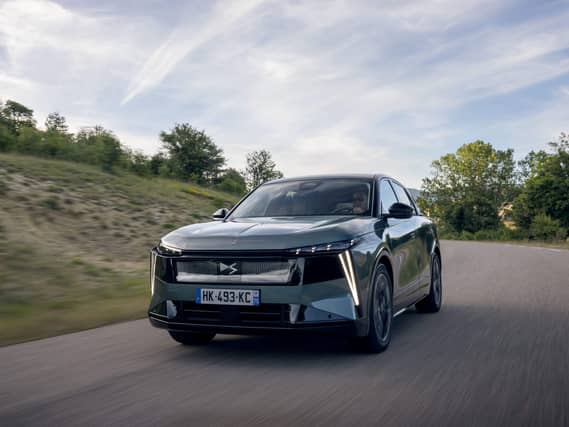

The No.7 marks one of the first times that DS has fully refreshed one of its newer models, but what has changed? Jack Evans finds out.
What is it?
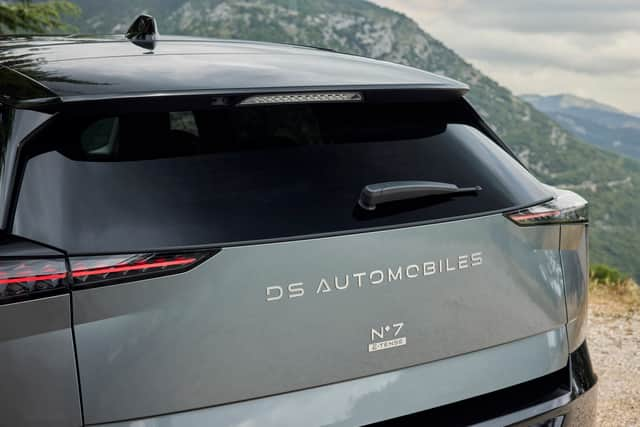
DS is hoping to tap into the area occupied by the latter and, in a first, it is refreshing one of its most popular models. The DS 7 kicked off this brand’s rebirth back in 2017 and saw some decent popularity, so DS is hoping it’ll be the same thing again with this – the DS No.7.
What’s new?
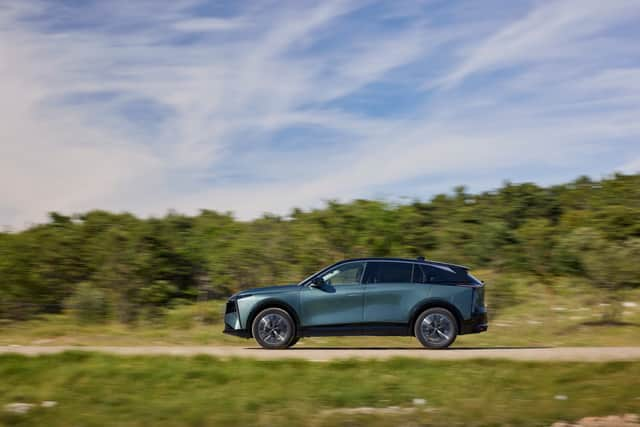
On the outside, there’s a design which follows on from the DS No.8 and No.9 models, with an aerodynamic approach which looks to help this car cut through the air as smoothly as possible.
What’s under the bonnet?
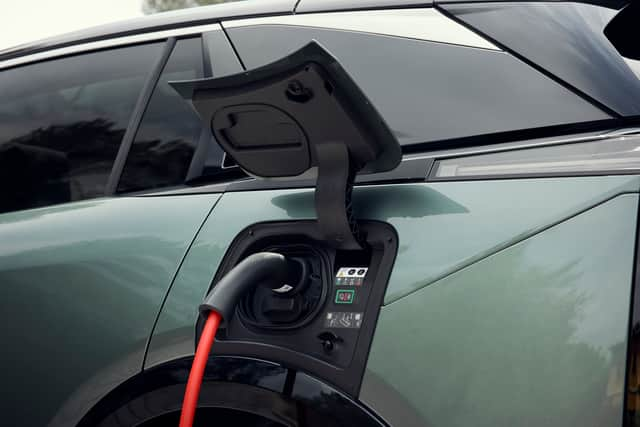
This single-motor, Long Range car seems like the pick of the bunch, though, thanks to its balance of performance and efficiency. The DS No.7 is also available with a 1.2-litre three-cylinder petrol hybrid, which has seen plenty of use across the board in Stellantis vehicles and is there for those who don’t want an EV. It’s expected that a plug-in hybrid will join the ranks shortly, too, which could be a good blend of the two existing options.
What’s it like to drive?
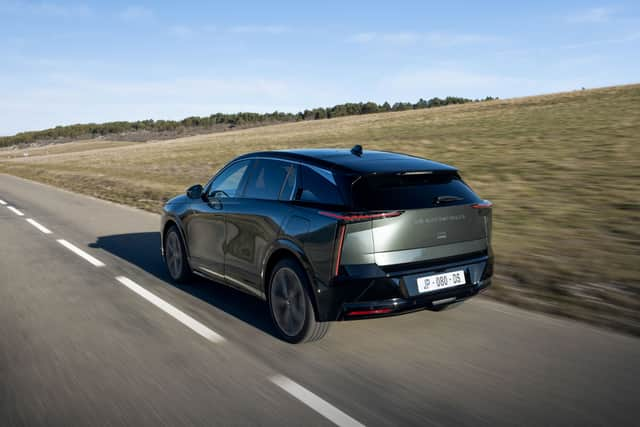
The ride is good, too, though our test car came on smaller 20-inch wheels over 21-inch versions fitted elsewhere. As with other Stellantis EVs, we found that the switchgear can be too ‘lazy’ to change; switch between ‘drive’ and ‘reverse’ and there’s often a big pause – or even a grab of neutral – and you often have to try it a few times for it to find a gear. It’s a pain when you’re doing a three-point turn, for instance.
How does it look?
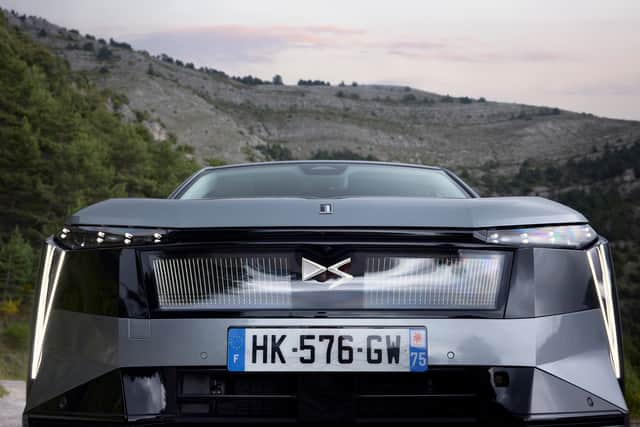
There are plenty of exterior colours to choose from, too, and you can even get a split-colour look, mimicking the design that you might find on a Rolls-Royce or Maybach Mercedes.
What’s it like inside?
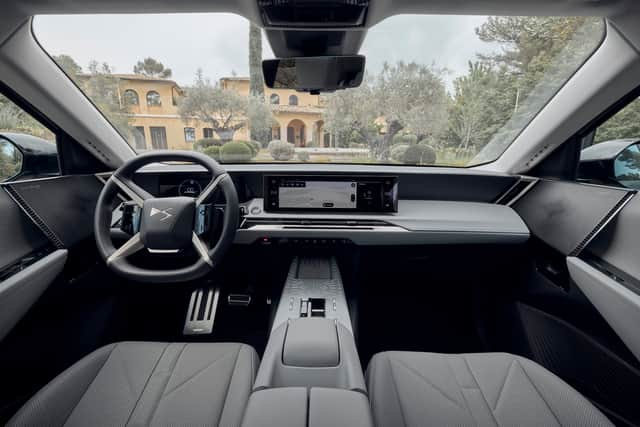
Practicality isn’t bad, either. Rear-seat passengers are well catered for in terms of leg- and headroom, while the 560-litre boot is on par with rivals. There’s no separate storage for the car’s charging cables, mind you, though that load area does have an adjustable floor which could prove handy.
What’s the spec like?
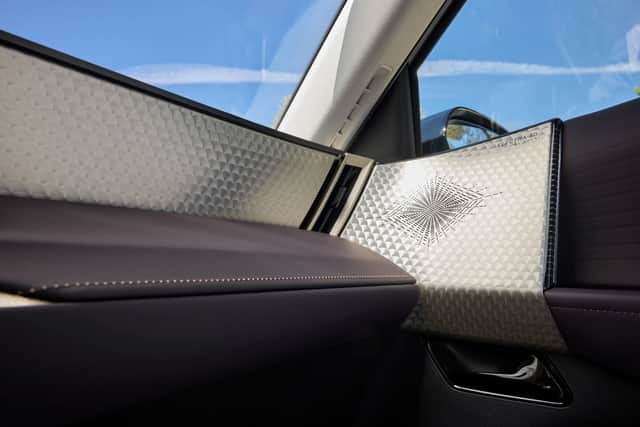
You get loads of equipment – electric models start in ‘Pallas’ trim with heated front seats, wireless smartphone charging, laminated windows for a quieter cabin and an efficiency-boosting heat pump as standard – but it’s a sizeable chunk of cash if you’re after the EV. Standard hybrid models start from just under £39,000, and though that’s cheaper, it’s still a lot of money for a car with a three-cylinder 1.2-litre engine in it.
Verdict
It feels as though DS is a little lost. It’s trying to cater for a premium market, but is competing with brands offering so much more prestige and heritage. Meanwhile, budget brands are delivering cars with the same level of equipment as the No.7 but for significantly less money.
It’s not that the DS No.7 is a bad car – far from it – it’s just been priced at such a top level that we’re left wondering who might pick it over German rivals. Priced more keenly, we could see the No.7 making a real dent in the market, but, as it is, we feel it may struggle.