
Key points of new UN report: From cutting fossil fuels to greener cities
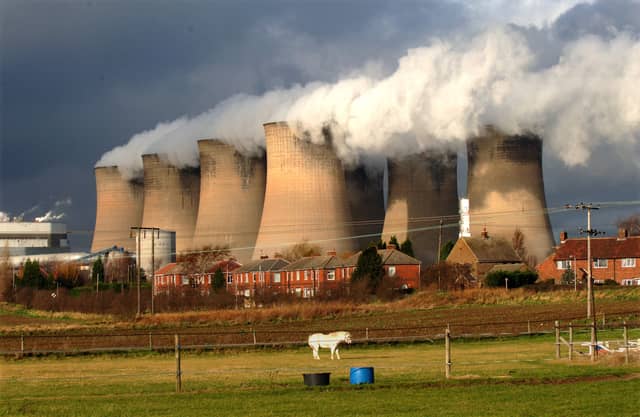

UN scientists have warned that without immediate and deep cuts to greenhouse gases, it will be impossible to limit temperature rises to 1.5C – beyond which the most catastrophic impacts of climate change will be felt.
Here are some of the main findings of the report:

– Reducing emissions in the energy sector requires deep reductions in fossil fuel use, deployment of low carbon alternatives such as renewables and power plants with technology to capture and store carbon pollution, energy efficiency, electrification of heat and transport and using hydrogen.
– To keep temperatures from rising above 1.5C, global use of coal must decline by 95% by 2050 compared to 2019, while oil must be reduced by 60% and gas by 45% by then.
– Almost all electricity needs to be supplied from clean sources such as renewables, the cost of which has fallen dramatically in the past decade, or fossil fuels fitted with carbon capture and storage.
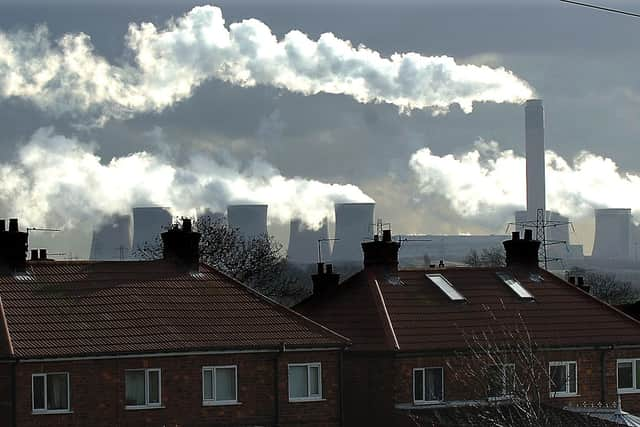
– Future carbon emissions from existing and planned fossil fuel infrastructure, mostly power plants, is more than the total that can be emitted by all sectors under the 1.5C goal, so the report highlights the need for decommissioning or retrofitting existing power stations and cancelling new coal plants.
– The “stranded assets” of unburned fossil fuels and coal, oil and gas infrastructure in the next few decades could total 1-4 trillion US dollars, as the world takes steps to limit temperature rises to 2C and even more if warming is curbed to 1.5C.
– Removing fossil fuel subsidies could reduce emissions by 1-10% by 2030.
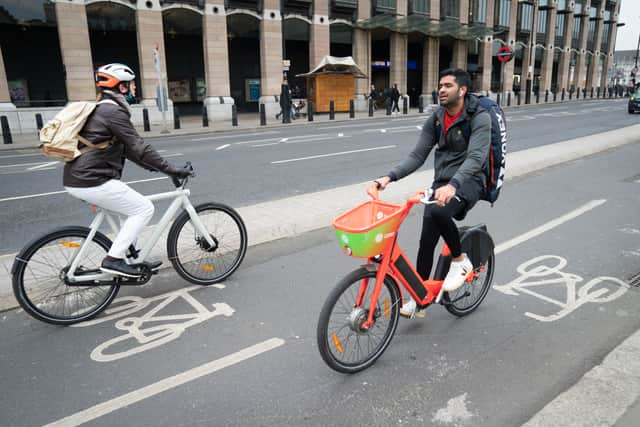
– Investment in public transport and facilities such as cycle lanes, switching to electric vehicles, online meetings and managing supply chains could all reduce emissions from transport.
– Presenting and supporting people with green choices can help cut emissions through less eating of meat, reducing food waste, heating homes, shifting travel to walking and cycling, while addressing the purchase of “status” goods and services can also curb climate change.
– Protecting, restoring and managing forests and other natural landscapes provides the biggest opportunity of cutting emissions from land, while shifting to healthier, more plant-based diets, reducing food waste, and more sustainable farming can also deliver.