
Mobile users to get emergency alert in nationwide test on April 23


A siren-like emergency warning message will be sent by the Government to mobile phone users across the UK next month to test a new public alert system.
Phone users will be unable to use other features on their devices unless they acknowledge the alert, due to be sent on Sunday April 23.
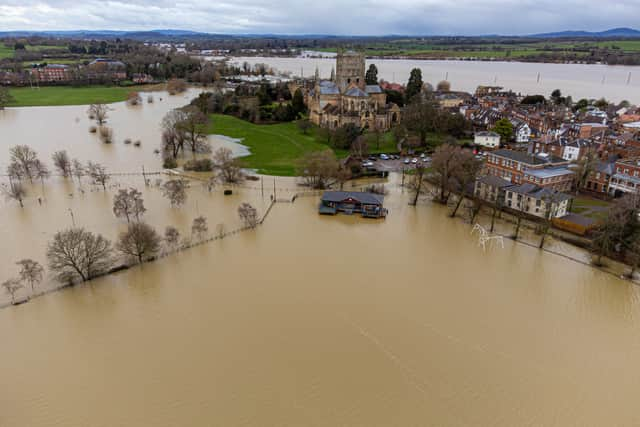
The system – modelled after similar schemes in the US, Canada, the Netherlands and Japan – is intended to be used in life-threatening situations including flooding and wildfires.
The alerts on St George’s Day will appear on the home screens of people’s phones, accompanied by a loud warning sound and vibration.
The scheme will initially focus on the most serious severe weather-related events, with the ability to get a message to 90% of mobile users within the relevant area in an emergency.

“It will revolutionise our ability to warn and inform people who are in immediate danger, and help us keep people safe.
“As we’ve seen in the US and elsewhere, the buzz of a phone can save a life.”
The alerts will only ever come from the Government or emergency services, and they will include the details of the area affected, and provide instructions about how best to respond.
The Cabinet Office said the alerts are secure, free to receive, and one-way, insisting they do not reveal anyone’s location or collect personal data.
Tests of the service have already taken place in East Suffolk and Reading.

National Fire Chiefs Council chairman Mark Hardingham said: “Together with every fire and rescue service in the country, I’m looking forward to having emergency alerts available to help us to do our jobs and to help communities in the event of emergencies.
“We’ve seen this type of system in action elsewhere across the world and we look forward to having the facility here in the UK – by working together with fire services and partners, we want this system to help us to help you be as safe as you can if a crisis does hit.”
The Environment Agency’s Caroline Douglas, the executive director for flood and coastal erosion risk management, said: “Being able to communicate warnings in a timely and accurate manner during incidents is really important to help people take action to protect themselves, their families, and their neighbours.”