
Policymakers hold interest rates at 16-year high in ‘finely balanced’ decision
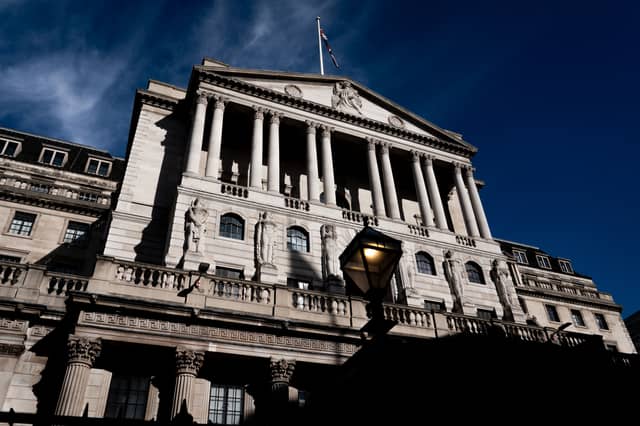

The Bank of England has kept interest rates unchanged two weeks before the UK holds the General Election, but revealed that the vote was increasingly “finely balanced”.
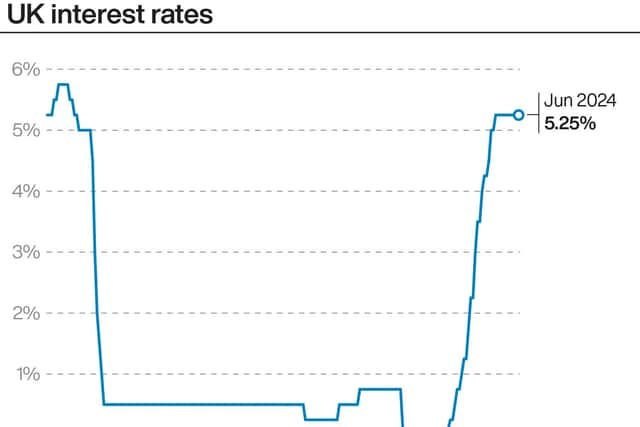
Members of the Bank’s Monetary Policy Committee (MPC) voted to hold rates at 5.25% for the seventh consecutive meeting on Thursday.
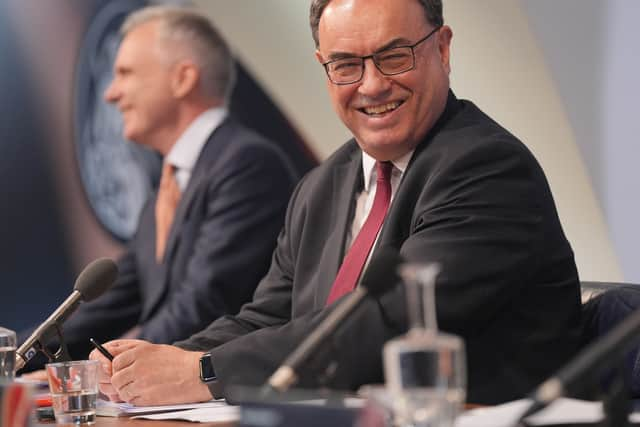
“It’s good news that inflation has returned to our 2% target,” Andrew Bailey, the Bank’s governor said.
“We need to be sure that inflation will stay low and that’s why we’ve decided to hold rates at 5.25% for now.”
But members of the nine-person committee were split over the decision with two policymakers, Swati Dhingra and Dave Ramsden, voting again for rates to be reduced this month.
Furthermore, it appeared that it was a close call for three other members of the MPC who were wavering on whether to keep rates unchanged.
For those members – understood to have included Mr Bailey as well as deputy governor Ben Broadbent – “the policy decision at this meeting was finely balanced”, a summary of the committee meeting read.
George Buckley, chief European economist for Nomura, said the decision being “finely balanced is very important indeed”, because if inflation data comes in lower over the next month then that “might be enough to push these members into voting for a rate cut”.
“You need more than half the committee to vote for lower rates in order to get it,” he said.
Yet the remaining members felt that “more evidence of diminishing inflation persistence was needed” before they could safely cut rates.
Thursday’s decision comes three weeks before the UK holds the General Election, but policymakers stressed that the timing of the election was “not relevant to its decision” on rates.
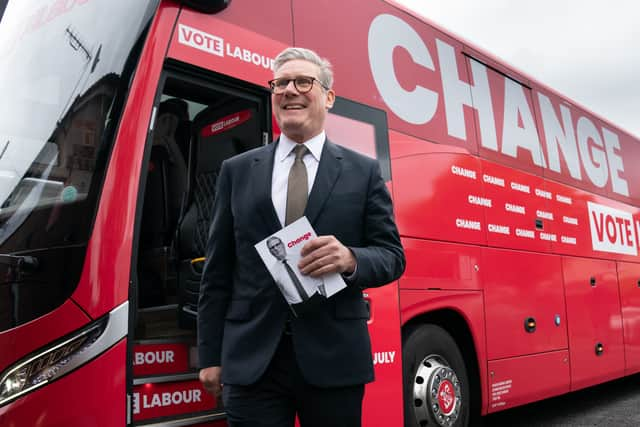
Nevertheless, with polls suggesting Sir Keir Starmer is on course to lead Labour to victory on July 4, an August rate cut could provide him with an economic morale boost early in his premiership.
But Tories will be left questioning why Rishi Sunak called a summer election, when he could have benefited from interest cuts being reduced later on in the year.
Most Westminster-watchers expected Mr Sunak to wait for the autumn to call the election.
James Smith, developed markets economist for ING, reiterated beliefs that the Bank was “getting closer to the point of cutting rates”.
“Assuming the next inflation report in mid-July doesn’t contain any nasty surprises, we still think the Bank will vote for a rate cut in August,” he said.