
Queen’s deep love of Scotland led her to ‘purr’ with relief after No vote
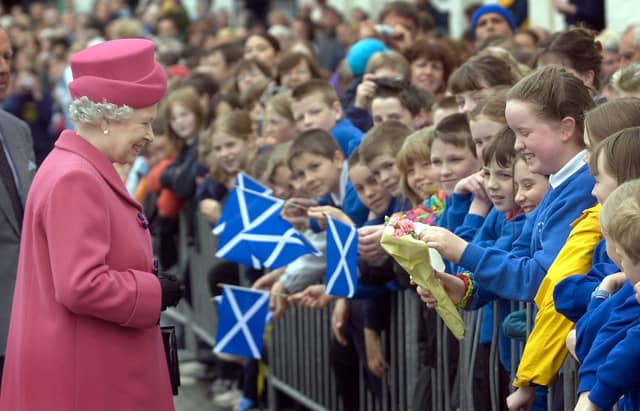

The Queen faced the prospect of becoming Elizabeth I of Scotland or even Elizabeth, Queen of Scots, had the Scottish people voted in favour of independence.
But Elizabeth II will go down in history as the Queen whose reign escaped the break-up of the United Kingdom.
There was much personal relief in royal quarters in September 2014 following the victory of the “No” campaign in the Scottish independence referendum.
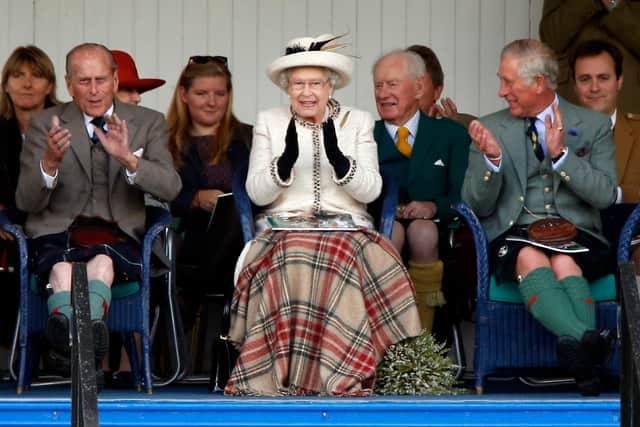
While Mr Cameron was left embarrassed at his lack of discretion after being caught on camera discussing the Queen’s reaction, the “purr-gate” blunder simply confirmed what many already believed – that she was, in private, strongly against Scottish independence.
As head of state, the Queen was publicly neutral when it came to political matters.
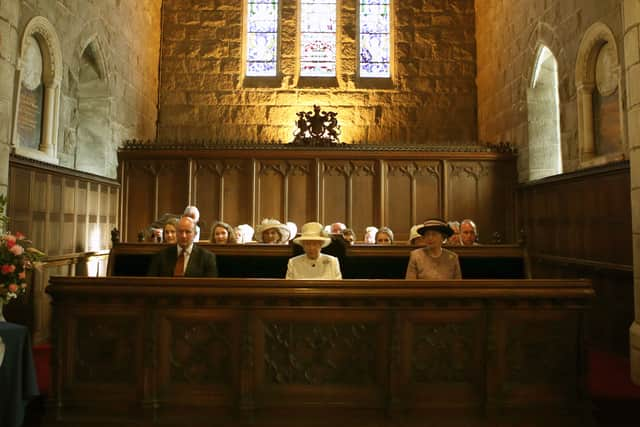
But the words she uttered a few days before the vote after attending morning church at Crathie Kirk had already appeared to urge voters to be cautious about severing the ties.
“Well, I hope people will think very carefully about the future,” she told a well-wisher in the crowd.
In the wake of the referendum, the Queen issued a message of reconciliation, calling on people to unite in their “enduring love of Scotland” and expressing her belief they would come together to “work constructively for the future”.
“Knowing the people of Scotland as I do, I have no doubt that Scots, like others throughout the United Kingdom, are able to express strongly held opinions before coming together again in a spirit of mutual respect and support, to work constructively for the future of Scotland and indeed all parts of this country,” she said.
When she was 27, the Queen had been crowned in a deeply religious service in Westminster Abbey during which she took a solemn oath to “govern the peoples of the United Kingdom of Great Britain and Northern Ireland”.
Her coronation promise was not one she took lightly and it was rich with significance for the young monarch.
Even her coronation gown demonstrated the importance of the Union. It was not without thought that the intricate embroidery centred on the four emblems of the United Kingdom – the rose, the shamrock, the leek and the thistle.
The Queen made her views clear in a speech to both Houses of Parliament when she said she understood the aspirations of Scotland and Wales, adding: “But I cannot forget that I was crowned Queen of the United Kingdom, of Great Britain and Northern Ireland.
“Perhaps this jubilee is a time to remind ourselves of the benefits which union has conferred, at home and in our international dealings, on the inhabitants of all parts of this United Kingdom.”
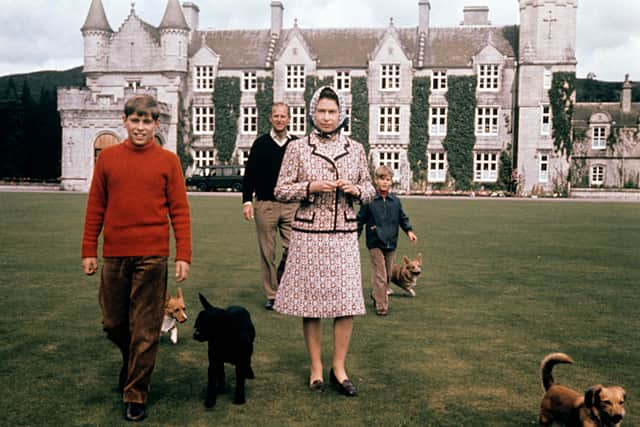
It was fitting that the Queen was in Scotland at her own Aberdeenshire home, Balmoral Castle, when she learned of the historic referendum outcome.
Each year, she retreated to the Scottish estate during the summer months – even managing to do so during the coronavirus pandemic in 2020 when restrictions eased a little.
She was apparently never happier than when she was at Balmoral, where the family spent their time riding, fishing or walking.
Mr Cameron once said there was not much “chillaxing” – chilling out and relaxing – at Balmoral, with the royals spending their time on outdoor pursuits.
After the Duke of Edinburgh’s death in 2021, Buckingham Palace released a poignant photo of the Queen and Philip – chosen personally by the Queen from her private family albums.
It showed the Queen and the duke, both smiling and enjoying downtime away from public duties, as they enjoyed the stunning scenery of the Scottish Highlands in 2003.
The Queen sat on a picnic blanket on the grass next to Philip, who was lying down at the Coyles of Muick, a beauty spot near the town of Ballater in Aberdeenshire.

She appointed a prime minister at Balmoral for the first time in 2022, inviting Liz Truss to form a government after the Tory leader travelled to see her from London, instead of making the increasingly frail monarch journey back down south.
The Queen had a lifelong love of Scotland.
Her own Scottish heritage was an important part of her life.
Her mother, Queen Elizabeth the Queen Mother, hailed from an ancient aristocratic Scottish family.
Elizabeth II was also descended from Mary, Queen of Scots, James I who was James VI of Scotland, and Robert the Bruce, who secured Scotland’s independence from England.
On marrying the Duke of Edinburgh, she also became the Duchess of Edinburgh.