
Rail fare increase in England will be below inflation rate, Government says
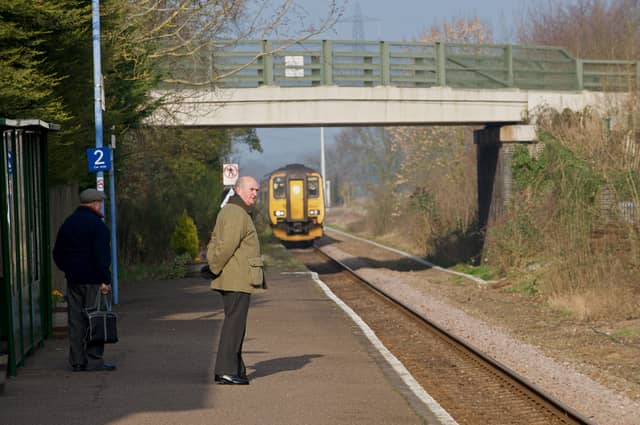

An expected increase to rail fares in England will be less than July’s retail price index to help commuters cope with the cost-of-living crisis, the Government has announced.
The price rise, which will come into effect next year, will be lower than the rate of inflation, according to BBC News and The Times.

A DfT spokesperson said the increase, which usually comes in effect in January, will be delayed until March in a bid “to help struggling households”.
They added: “The Government is taking decisive action to reduce the impact inflation will have on rail fares during the cost of living crisis and will not be increasing fares as much as the July RPI figure.”
It is not yet clear how much lower the rise will be compared to that RPI figure.
The PA news agency has contacted DfT for comment.
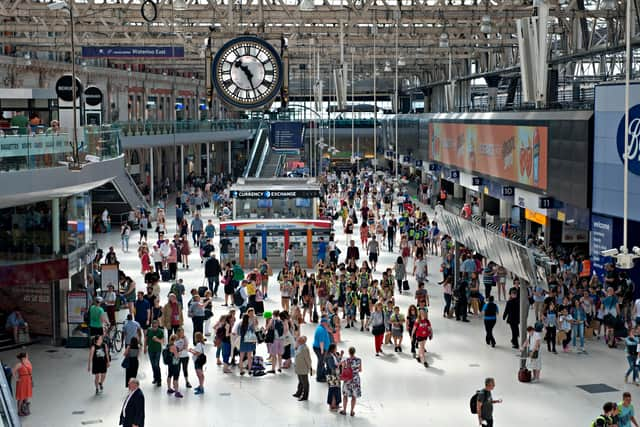
Paul Tuohy, from the Campaign for Better Transport, told the Daily Mail even a small increase to fares could price large numbers of commuters off trains altogether
He added: “We urgently need a fares freeze for 2023.”
It comes as rail industry bosses and the Aslef union are expected to hold formal talks in the coming days after a strike on Saturday crippled large parts of the UK network.
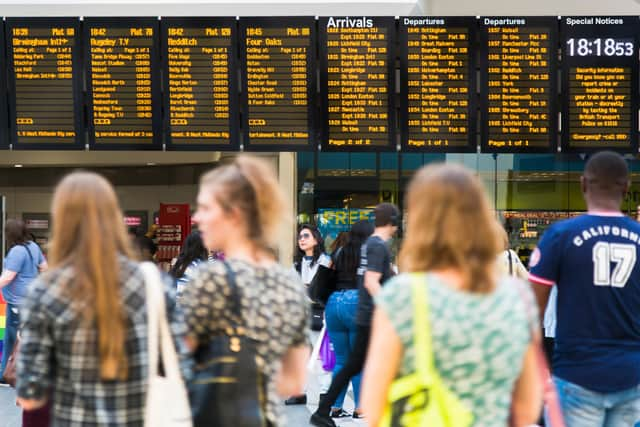
Further strikes are also planned for Thursday and Friday with members of the RMT and TSSA unions staging industrial action.
Earlier this year the largest rise in rail fares in nearly a decade added more than £100 to the cost of many annual season tickets.
Analysis of fares by PA showed commuters were hit hard by the price increase of up to 3.8% in England and Wales.