
The West African winter sun break that’s been a secret for too long
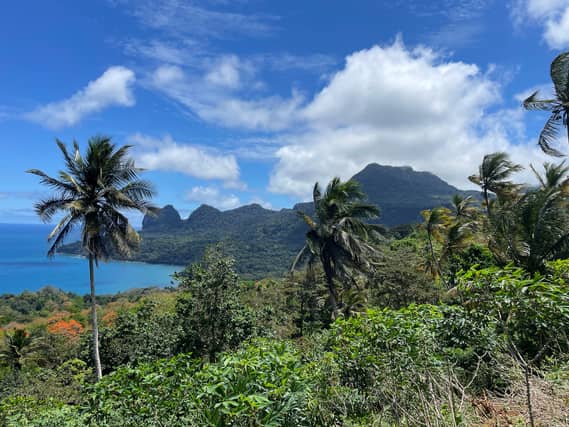

No matter where you are in the world, the smell of freshly baked bread is mesmerising. Taking refuge from an equatorial rain shower, I huddle inside a small bakery in a fishing village along the coast of Principe, eagerly watching flames leap from the back of a large clay oven.
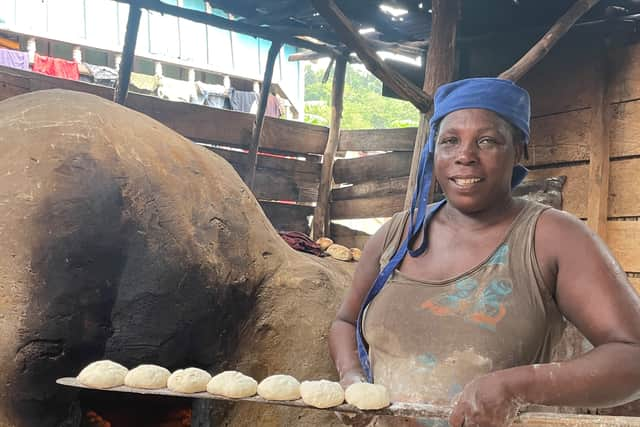
Breaking bread is one of the simple pastimes that make this remote island in the Gulf of Guinea so special. Together with neighbouring Sao Tome, it makes up one of the smallest nations in West Africa. Much calmer and laidback than anywhere on the mainland continent, it’s more akin to a Caribbean getaway, and the sandy, unspoilt beaches are equally first class.
Yet unlike winter sun favourites on the other side of the world, Principe remains largely undiscovered.
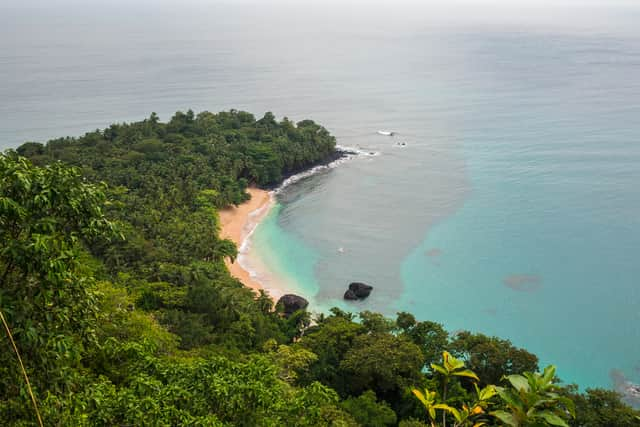
Making the admirable decision to reject projects for palm oil cultivation, residents have chosen to embrace ecotourism, under the guidance of pioneering sustainable tourism enterprise HBD which manages three properties on Principe (and recently acquired the only other hotel in operation).
The backstory for HBD (Here Be Dragons) is an unusual one.
Making history by being the first African to enter space in 2002, entrepreneur Mark Shuttleworth had an epiphany while staring down at our tiny blue planet. By the time he’d landed back on earth, he was determined to do whatever he could to protect it.

Set on a remote peninsula at the northern tip of the island, Bom Bom (a former fishing lodge) was the first hotel to open. A smart but unassuming collection of bungalows with two beachfronts – for sunset and sunrise – it’s since achieved accidental cult status. Closed for three years since the pandemic, it’s recently reopened and I’m one of the first guests.
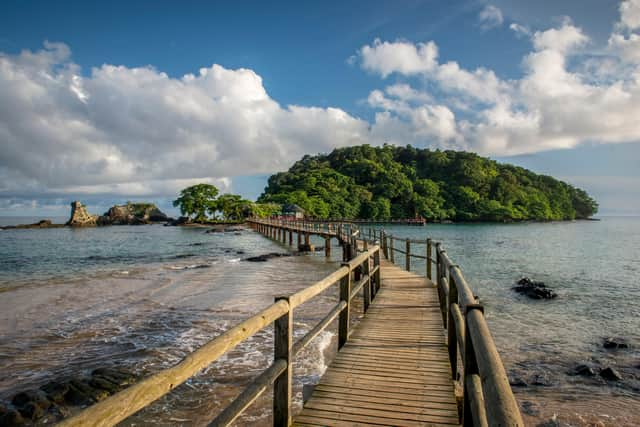
Although there have been several enhancements to Bom Bom, including a recently opened restaurant and a beach bar in the pipeline, growth is still refreshingly slow. Even getting here is a journey, requiring a flight via Lisbon and Sao Tome.
But distance and difficulty are in part responsible for preserving this time-frozen patch of paradise. Here are five reasons why it’s worth making the effort…
1. Pristine rainforests – In 2012, thanks partly to the efforts of HBD and rallying from members of the local community, the entire island and its islets were declared a UNESCO World Biosphere. More than half of the mountainous volcanic island is a protected natural park, home to a high number of endemic species living in a rainforest estimated to be 31 million years old.
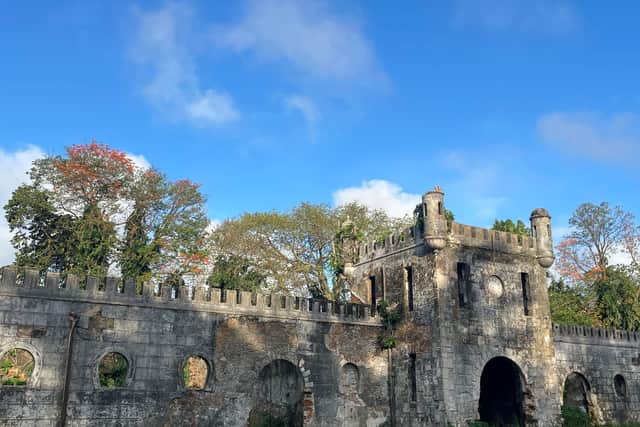
3. Delicious chocolate – During the years of Portuguese rule, a cocoa industry thrived on the island. HBD have revived production on a small scale at heritage property Roca Sundy, a former plantation open to guests. A small shop sells edible and cosmetic products.
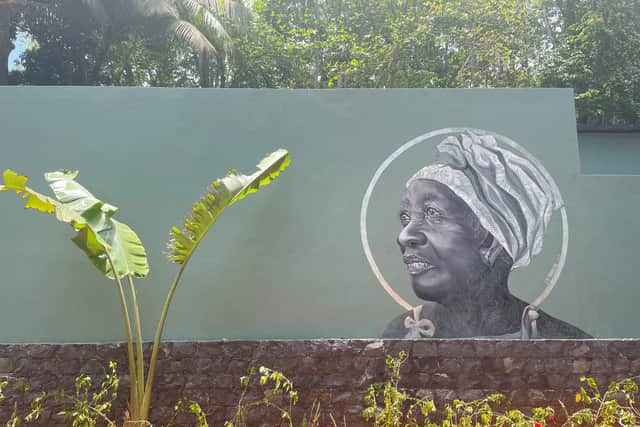
5. A role model for Africa – HBD is in the process of launching a new Natural Dividend project which will financially reward islanders for their efforts in protecting ecosystems and biodiversity. Mark Shuttleworth hopes the model can one day be replicated across Africa.
How to plan your trip
Rainbow Tours offers a stay at Bom Bom as part of a nine-night trip to Sao Tome and Principe. From £3,550pp (two sharing), including half-board accommodation and flights. Visit rainbowtours.co.uk