
Turkey’s elections for presidency and parliament under way
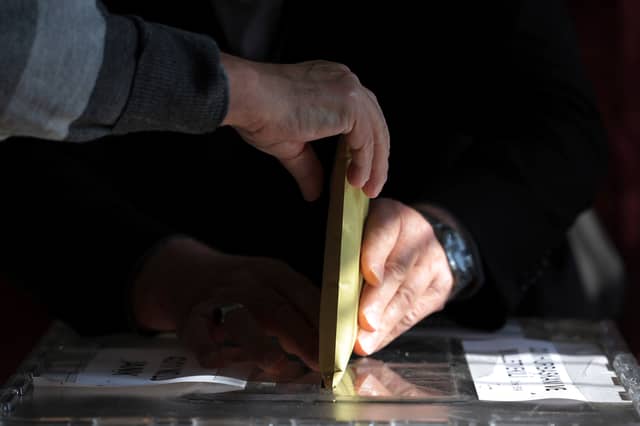

Voters in Turkey are heading to the polls on Sunday for pivotal parliamentary and presidential elections that are expected to be tightly contested and could be the biggest challenge Turkish President Recep Tayyip Erdogan faces in his two decades in power.
The vote will either grant Mr Erdogan a new five-year term in office or set the Nato-member country on what his principal opponent calls a more democratic path.
For the first time in his 20 years in office, opinion polls indicate that Mr Erdogan, 69, is entering a race trailing behind an opponent.
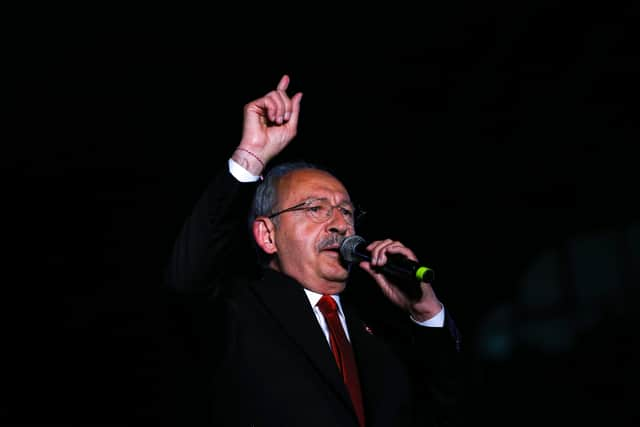
Opinion surveys have given a slight lead to Kemal Kilicdaroglu, the 74-year-old leader of the centre-left, pro-secular Republican People’s Party, or CHP, and the joint candidate of a united opposition alliance.
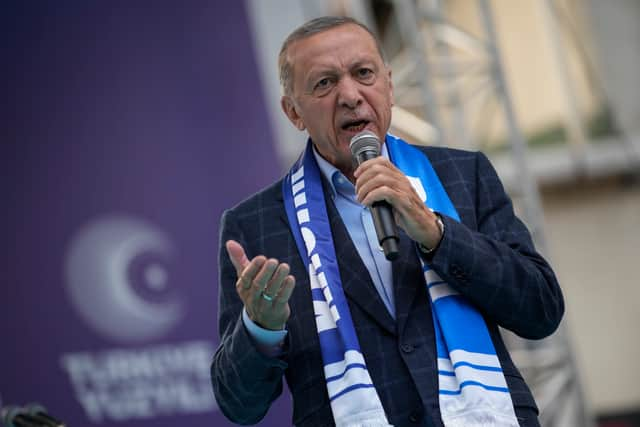
More than 64 million people, including 3.4 million overseas voters, are eligible to vote in the elections, which are taking place the year Turkey marks the centenary of the establishment of its republic.
The elections come as the country is wracked by economic turmoil that critics blame on the government’s mishandling of the economy and a steep cost-of-living crisis.
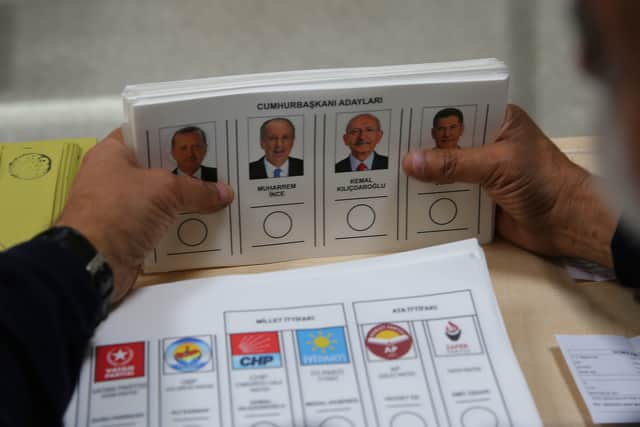
Also running for president is Sinan Ogan, a former academic who has the backing of an anti-immigrant nationalist party.
One other candidate, the centre-left politician Muharrem Ince dropped out of the race on Thursday following a significant drop in his ratings but his withdrawal was considered invalid by the country’s electoral board and votes for him will be counted.
Balloting in the 11 provinces affected by the earthquake has given rise to concern about the registration of nearly nine million voters.
Around three million people have left the quake zone for other provinces, but only 133,000 people have registered to vote at their new locations. Political parties and non-governmental organisations planned to transport voters by bus but it was not clear how many would make the journey back.
Many of the quake survivors will cast votes in containers turned into makeshift polling stations erected on school yards.