
What to know about the growing conflict between Israel and Lebanon’s Hezbollah
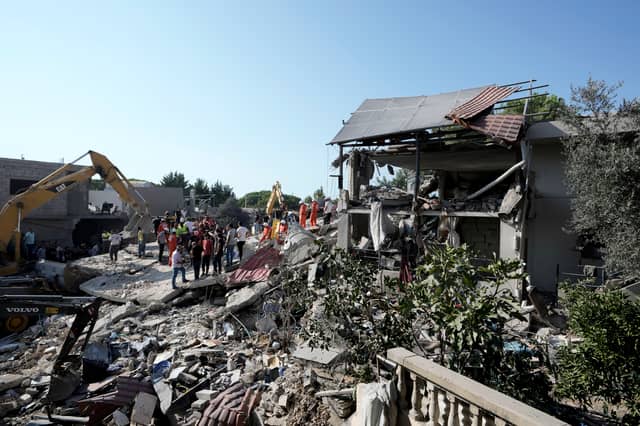

Since mid-September, there has been a dizzying escalation in the nearly year-long conflict between Israel and Lebanon’s Hezbollah.
First came two days of exploding pagers and walkie-talkies used by Hezbollah – attacks pinned on Israel that killed at least 39 people and maimed thousands more.

The United Nations said more than 90,000 Lebanese people have been displaced in recent days.
Lebanon said Israeli strikes on Monday killed more than 560 Lebanese and injured almost 2,000 in the deadliest attack since the 2006 Israel-Hezbollah war. Several Hezbollah leaders have been targeted in the attacks, including the commander of its most elite unit who was killed in a strike in Beirut.
The United States, France and other allies jointly called for an “immediate” 21-day ceasefire in the conflict to “provide space for diplomacy” as fears grow that the violence could become an all-out war between Israel and Hezbollah, which would further destabilise a region already shaken by the war in Gaza. Both sides have said they do not want that to happen, even as they have defiantly warned of heavier attacks.
Israel and Hezbollah have launched repeated strikes against each other since the Israel-Hamas war began, but both sides have pulled back when the spiral of reprisals appeared on the verge of getting out of control, under heavy pressure from the US and its allies. In recent weeks, however, Israeli leaders have warned of a possible bigger military operation to stop attacks from Lebanon to allow hundreds of thousands of Israelis displaced by the fighting to return to homes near the border.
Here are some things to know about the situation:
– What were the latest strikes?
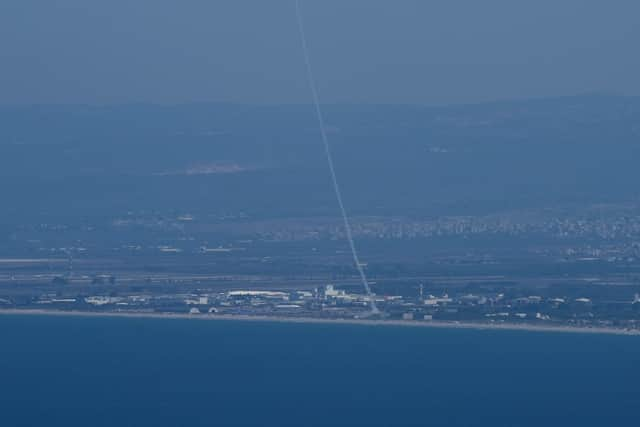
The Israeli military said it was the first time a projectile fired from Lebanon has reached central Israel, although Hezbollah claims it also targeted an intelligence base near Tel Aviv in August. This has not been confirmed.
Israel said its air force hit some 280 Hezbollah targets across Lebanon on Wednesday. Lebanon’s health minister said the latest Israeli strikes killed more than 70 people and injured hundreds more. This count brings the death toll to more than 630 Lebanese people in three days.
Two Israelis were wounded by shrapnel after dozens of Hezbollah rockets were fired into northern Israel, the military said.
– What is the situation on the border?
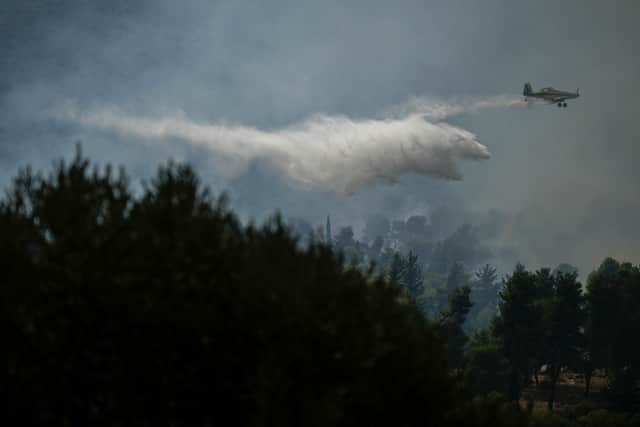
Hezbollah leader Hassan Nasrallah promised to retaliate for the electronic device bombings. But Hezbollah has also proved wary of further stoking the crisis. The group faces a difficult balance of stretching the rules of engagement by hitting deeper into Israel in response to its brazen attacks, while at the same time trying to avoid the kind of large-scale attacks on civilian areas that can trigger a full-scale war that it could be blamed for.
Hezbollah says its attacks against Israel are in support of its ally Hamas. Nasrallah said the barrages will continue – and Israelis will not be able to return to homes in the north – until Israel’s campaign in Gaza ends.
US secretary of state Anthony Blinken told NBC News on Wednesday that the US is working on a diplomatic agreement to de-escalate tensions between Israel and Hezbollah.
– What is Israel planning?

The head of Israel’s Northern Command has been quoted in local media advocating for a ground invasion of Lebanon, and the Israeli army chief, Lieutenant General Herzi Halevi, told troops stationed on the northern border on Wednesday that ongoing air strikes were “to prepare the ground for your possible entry and to continue degrading Hezbollah”.
Lt Gen Halevi continued: “Later today, they will receive a very strong response. Prepare yourselves.”
Meanwhile, as fighting in Gaza slowed, Israel increased its forces along the Lebanese border, including the arrival of a powerful army division believed to include thousands of troops. And on Wednesday, Israel announced it will further deploy two reserve brigades for missions in the north.
– What would be the impact of a full-blown war?
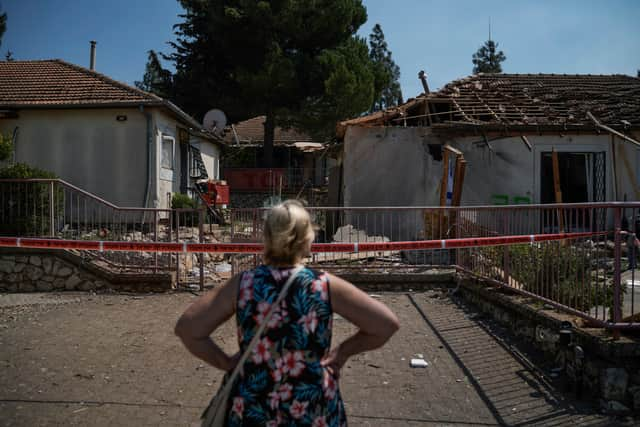
Israel estimates that Hezbollah possesses about 150,000 rockets and missiles, some of which are precision-guided, putting the entire country within range. Israel has beefed up its air defences, but it is unclear whether it can defend against the intense barrages of a new war.
Israel says it could turn southern Lebanon into a battle zone, saying Hezbollah has embedded rockets, weapons and forces along the border. And in the heightened rhetoric of the past months, Israeli politicians have spoken of inflicting the same damage in Lebanon that the military has wreaked in Gaza.