
Irish ferry passengers warned as major passport rule change to come into effect this month
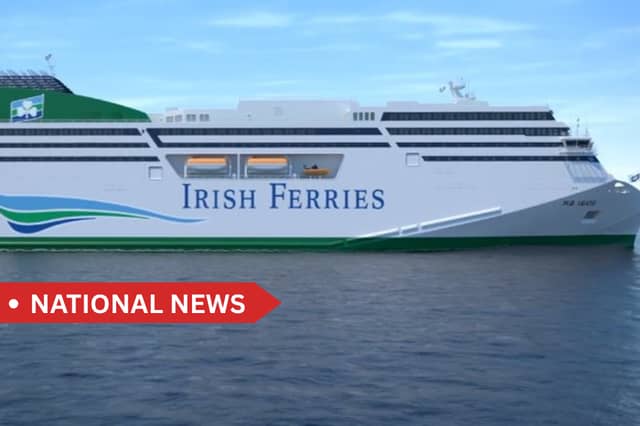

The rules will come into effect from September 28, 2026
Thousands of Irish passengers travelling by ferry to Britain are being warned of a major change to passport rules coming into effect later this month.
From Monday, September 28, passengers travelling on a number of ferry services between the Republic of Ireland and Britain will be required to present a valid passport before boarding.
The change will affect services operated by both Irish Ferries and Stena Line and means other forms of photographic identification previously accepted on the affected routes will no longer be enough.
READ NEXT: Temperatures to hit 24 degrees in some parts today but experts pinpoint dramatic turnaround
Irish Ferries has confirmed that all passengers travelling on its Dublin-Holyhead and Rosslare-Pembroke services, in either direction, will have to present a valid passport or Irish passport card before boarding.
The requirement applies to everyone travelling, including Irish and British citizens, and regardless of age.
Driving licences, national identity cards and other forms of photographic identification will no longer be accepted by Irish Ferries on the affected routes from September 28.
Meanwhile, Stena Line is introducing similar requirements on its Dublin-Holyhead and Rosslare-Fishguard services.
The operator has said all passengers travelling from Dublin, Holyhead, Fishguard or Rosslare ports will be required to present a valid passport at check-in from September 28.
The companies say the change is being introduced to meet UK Border Force requirements surrounding the accuracy and integrity of passenger information provided before boarding.
Irish Ferries said the move will also bring ferry travel requirements more closely in line with the document checks already carried out by many airlines.
The company is urging Irish and British citizens planning to travel after September 28 to make sure they have a valid, in-date passport or, where accepted, an Irish passport card before arriving at the port to avoid delays or disruption.
The change does not mean that the Common Travel Area between Ireland and the UK has been abolished.
Under the Common Travel Area arrangements, Irish and British citizens do not legally require a passport to travel between the two countries.
However, individual transport operators can require passengers to produce particular identification documents before allowing them to board.
The new rules are particularly important for families, as children and infants will also need the required travel documents on the affected services.
Passengers with journeys booked for later this month are therefore being urged to check their documents well in advance rather than waiting until they arrive at the ferry terminal.
Irish Ferries has said customers with existing bookings will be contacted about the change, while passengers are also advised to check their ferry operator's latest requirements before travelling.