
Donegal Food and scarcity in time of war - 1942
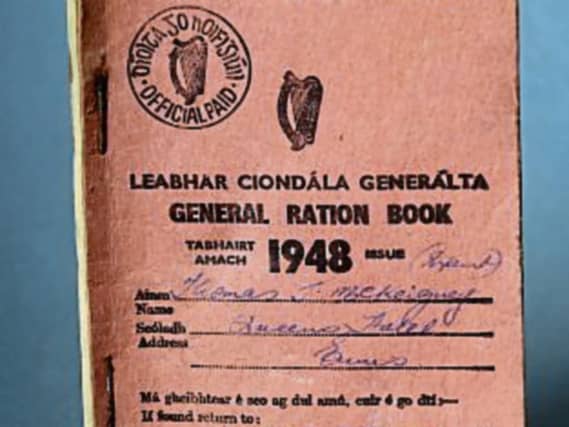

McHugh's Miscellany - How did Donegal react to challenges of another war in Europe this week 80 years ago
Talk of escalating prices and the growing scarcity of good and a new spotlight on food security as a result of the ongoing barbarity in Ukraine prompted me to examine the situation in Ireland this month 80 years ago.
Then we were dealing with the same issues because of another war in Europe - WW2 or 'The Emergency' as it was known in the Republic of Ireland.
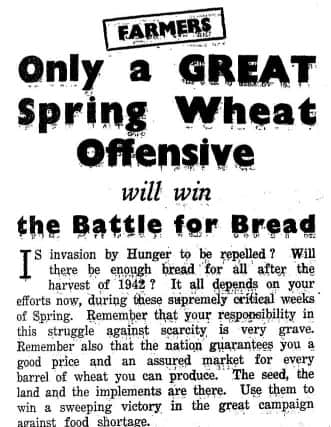
An advert from March 1942 in the Donegal Democrat is a reminder that aspects of history can often be found repeating themselves
The one good thing was the abundance of fish off the Donegal coastline and there was also the saviour that came in the guise of turf.
Because of the lack of transport much of the fish that may have been exported was finding tables closer to home.
The Killybegs notes of March 21, 1942 recorded:
“The line fishing continues with great success in Donegal Bay, from whose daily catches averaging eight boxes of haddock, whiting and codling are being landed by the Killybegs and St. John’s fleet. Prices range from £2 to £2 10s per box.”

“Even a casual glance around reveals the fact that much has been done in the fields, and that there is a considerable amount of wheat sown, which will go to make history as well as bread and porridge. Not much has yet been done in the fields of setting potatoes but several people have early varieties in the ground.”
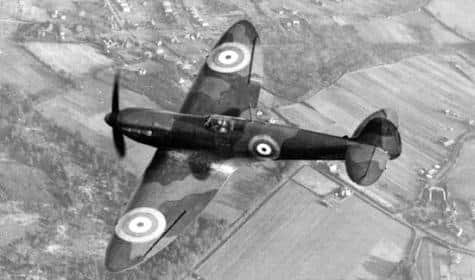
Spitfires a normal sight in WW2 Northern Ireland - there were a number of crashes
on both sides of the border, notably Donegal and Monaghan in the south
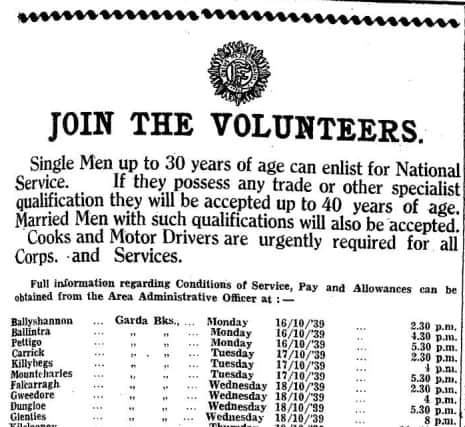
The call for local Donegal Defence Force Volunteers at the outset of WW2
Agriculture Minister Charlie McConalogue’s recent comments about the need to grow more grains was a hot topic of debate, even within the farming community itself.
In 1942, the country introduced bread rationing and this followed other items that included tea, sugar, butter and flour.
Doctors were one of the few groups that could purchase new tyres.
The making of wellington boots other than for industrial purposes was also banned and lack of rubber imports meant production of new bicycle tyres was effectively discontinued.
In the North people were liable to prosecution if they burned or destroyed either paper or cardboard, but could use paper to start a chimney fire in the house, the Democrat told readers.
Of course, there was a booming trade in cross border smuggling, but that is another topic in itself, for another day.

A look at just some of the rationing cards needed later in 1944, as advertised in the pages of the Donegal Democrat
Our back-up stocks are also at tenuous levels, at the best of times, although there is a 90 day fuel supply that is always kept in reserve.
Even back in 1942, we had to had already had to deal with over reliance from other countries.
I read recently where we imported six million tons of animal feed from Britain in 1940 and 74,000 tons of fertiliser. Two years later that figure had been reduced to zero, as Churchill said it was required for his own people.
As with the changing shape of the map of Europe, we as a nation, must learn that any future world economy must be blended with a much greater reliance on ourselves, when it comes to food and energy, at the very least.