
Kilkenny households have wasted more than €12 million in food so far this year

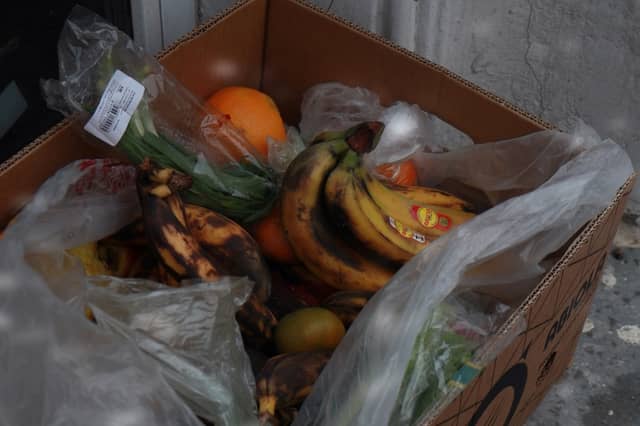

Meanwhile, the country is on track to waste more than €1.2 billion on food this year...
Surplus food marketplace Too Good To Go is highlighting Kilkenny’s ‘shocking’ food waste bill of more than €12 million so far this year.
The estimated amount was calculated based on EPA household food waste euro value estimates 2023, multiplied by the Census 2022 ‘Occupied Housing Stock Numbers’.
Having previously shared a county-by-county breakdown of the nation’s food waste bill at the end of 2025, Too Good To Go is urging the public to be mindful of their food waste.
As the EPA reports that one third of all the food we buy ends up in the bin, the surplus food app is reminding the public that the country is on track to waste more than €1.2 billion on food this year.
Research from the EPA indicates that the average Irish household wastes an estimated €60 a month or more than €700 of salvageable food a year.
While the financial figures are significant, there is also an environmental impact to consider, as food waste accounts for approximately 10% of global greenhouse gas emissions.
A large portion of the items making their way to Irish bins are everyday staples like bread, fresh fruit, and vegetables, which can often be frozen or repurposed with a little bit of effort.
It’s hard to grasp that over €3 million of food is wasted in Ireland every single day...
By taking practical steps at home, such as writing a shopping list, meal planning, proper storage, and using up leftovers, Kilkenny households can significantly reduce the amount of food they waste and help reduce their shopping costs.
Machaela O’Leary, Key Accounts Manager at Too Good To Go Ireland, stated that “it’s hard to grasp that over €3 million of food is wasted in Ireland every single day” and explained that “making small changes can really add up in the long term.”
“Simple, everyday actions like meal planning, freezing leftover bread, or ‘look, smell and tasting’ something before throwing it away can help keep money in your pocket, reduce food waste and have a positive impact on the environment,” she said.