
Athlete Sally Gunnell on menopause and strength training: ‘I feel so much happier because I feel stronger’
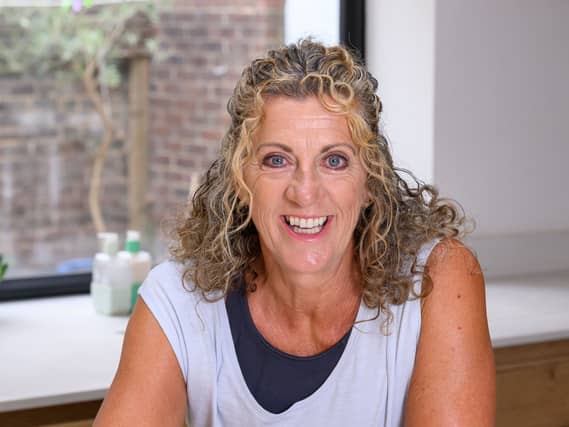

The Olympic gold medallist tells Rachael Davis why women over 40 shouldn’t be scared of strength training – and how they can get strong at home.
Former athlete Sally Gunnell might have dozens of gold medals under her belt, but she admits she is far from immune from the impact of ageing and menopause on her body.
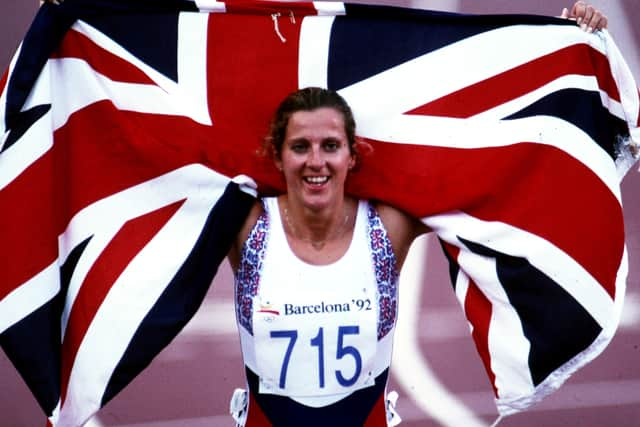
Having just turned 60, Gunnell – an accomplished runner who, between 1992 and 1994, won every international event open to her and secured the gold medal for the 400m hurdles in the 1992 Olympic Games in Barcelona – has spent a lot of time “understanding how your body does change” with age, and nailing down a workout regimen that will bulletproof her body for the decades to come.
“I don’t think I was expecting it,” Gunnell admits of the changes in her performance and physique as she aged.
“Even though I was a top runner, I retired at 31, and then you’re just trying to keep yourself fit and healthy…
“All of a sudden… I was perimenopausal at 45. I was putting on weight, I was probably a stone and a half heavier than I was when I was in my 40s and 30s… I couldn’t really work out what was going on.”
It’s a sentiment that many women will relate to, and even Gunnell, with her accomplished career in athletics, said she had to go on a “whole fitness journey myself, of understanding it”.

Gunnell’s career dates back to the mid-Eighties, and she enjoyed great successes in the early Nineties, breaking British, European and World records – and she remains the only woman to have won the European, World, Commonwealth and Olympic 400-metre hurdles titles. She retired in 1997, following a battle with an Achilles tendon injury, pivoting to a career in television, becoming mum to three sons, and going on to become a women’s fitness coach.
Now, Gunnell says: “My running is very different – very slow, with the dog, and I would say it’s my space, it’s my mental health, it’s my me time.
“I’d like to keep that going as long as possible, and I very much know that doing that strength training will allow me to be able to do those sorts of things.”
Gunnell is an advocate for more women over 40 to get stuck into lifting weights, to support their bodies so they can carry on doing the activities they love well into old age.
“By doing strength training, it allows us to walk up those hills, to be able to walk to the shops a little bit longer, to be able to balance on our bikes and things like that as we age as well,” she says.
Indeed, strength training has myriad benefits – and research shows it is particularly important for women going through perimenopause and menopause.
According to the British Heart Foundation, the drop in oestrogen that occurs during menopause can cause women to lose muscle mass more rapidly, and this not only affects their joints, balance and mobility, but their risk of cardiovascular diseases, heart attack and stroke.
While Gunnell has been strength training all of her life, she insists that the entry point for newcomers is low – and doesn’t require an expensive gym membership or fancy gear.
“You can do a really good strength training session, real key exercises, within 20 to 30 minutes,” she says.
“And if you can do that two to three times a week, honestly, the difference that that can make to your life – not just your muscles, but also cardio, your mental health, it helps you sleep, your metabolism – all of those sorts of things.”
However, many women feel they face a number of barriers to weight training. Gunnell says that she’s noticed that for some, it’s a fear of looking bulky as they build muscle – “but honestly, that is not the case, and I can promise you that!” – while for others, the gym can be a daunting place.
She’s the first to admit that she finds the latter true, too, which is why she is a huge advocate for home workouts. She trains alongside a coach, which she says helps her to stay focused and accountable, and maintains that “the lovely thing about doing weights is you can do it at home”.
“I walk into a new gym, and I think, where do we start?” she laughs.
But, she says, even bodyweight exercises can make “such a big difference” to beginners, and progressing with additional weight – even a couple of kilograms – exponentially increases the benefits.
“You can just turn up in your jammies in the morning, and you can do a good weight session for 20 minutes in your lounge, and you really are ticking those boxes,” she says.
Gunnell’s training routine involves three full-body workouts a week, hitting each muscle group and progressing with more reps or higher weights over time.
She says: “It’s lovely to see how you can progress over time with your strength, and you can start to see the difference and what that does to getting fitter and healthier.”
However, she maintains that staying fit and building strength doesn’t have to be “complicated”.
Gunnell says she finds building a steady routine and finding a programme that holds you accountable is the best way to stay on track while still enjoying all aspects of life, and she champions the British Heart Foundation’s Strong Woman Challenge as being a great entry point.
BHF’s Strong Woman Challenge runs from October 1 to 31, with participants receiving a new strength-building exercise each day, and there are programmes for beginner, intermediate and advanced training.
Above all, Gunnell ensures that her strength training doesn’t feel like a sacrifice. Instead, for her, it’s a means to stay strong enough to carry on doing the things she loves for as long as possible.
“I still want to enjoy life. I still want a glass of wine. I still want to celebrate my 60th birthday like I did. I still want to go out and have a lovely roast dinner on Sunday,” she says.
“It’s about getting that balance right…
“I feel so much happier and better in myself because I feel stronger within my body, and we’re much more independent, and we can do things. And it is that longevity that we need to look at.”
To find out more and sign up to BHF’s Strong Woman Challenge, visit bhf.org.uk/strongwoman.