
‘I wouldn’t be alive without a heart transplant – I’m very grateful to have made it to 53’
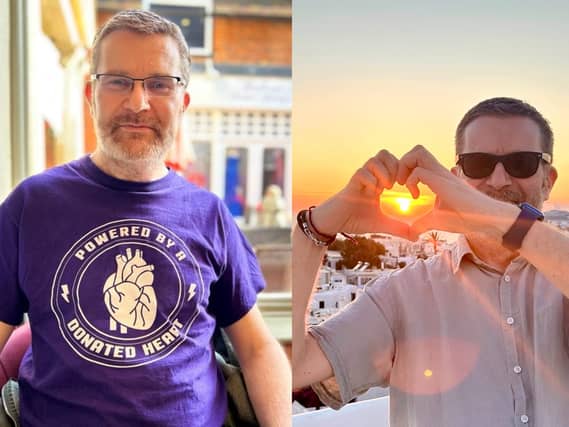

Dave Webb had a heart transplant in 2019 and feels he is now ‘living a life I otherwise wouldn’t have had’.
A man who “wouldn’t be alive” without the heart transplant he received after being told he had “a maximum of two to three years left of life” urges people to “have conversations” and “be open” about joining the organ donor register to ensure others can access life-saving organ donations.
Dave Webb, who is now 53 – “and very gratefully so” – had a heart transplant in March 2019, aged 46, having been diagnosed with hypertrophic cardiomyopathy in his late twenties.
In the decades since his diagnosis, Dave – who lives in Walton-on-Thames, Surrey – had managed his condition with medication and surgeries, but by 2018, he realised he “was in a lot of trouble”. His brother Stuart, who was diagnosed with the same condition around the same time as Dave, had needed a heart transplant two years prior, and Dave realised that in the intervening period he had “been denying how unwell I was”.
After seeking advice from his doctors, Dave was told that he “probably had a maximum of two to three years left of life”, and “if I’d made it to a third year, I don’t think I’d have been in a very good situation”, so was added to the urgent heart transplant list in February 2019.
By the following month, a donor heart became available, and Dave successfully had his transplant in March 2019. He is grateful to now be “living a life I otherwise wouldn’t have had”, and urges everyone to have conversations with their loved ones about organ donations to make transplant possible for the 8,000 people currently waiting for an organ in the UK.
Dave, who told PA Real Life that he regularly thinks of the person whose heart was donated to save his life, said that he feels “very humble, incredibly humble, (and) forever grateful”.
“There’s a physical exchange of an organ, and for a family to do that is a very altruistic thing, and I never lose sight of that,” he added.
“I don’t think any transplant patient does.”
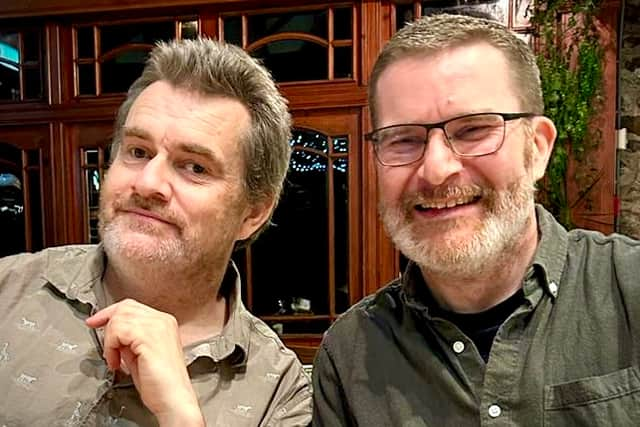
Dave and his brother Stuart, now 56, were both diagnosed with hypertrophic cardiomyopathy in their twenties. According to the NHS, the condition causes the heart muscle cells to enlarge and the walls of the heart chambers to thicken, reducing the heart’s capacity for blood and obstructing the flow of blood through the heart.
It is the most common cause of sudden unexpected death in childhood and in young athletes, and while some people have no symptoms and do not need treatment, it can be fatal for others.
In Dave’s case, the condition was manageable for decades with medication and some surgeries, but he said that his brother’s was more progressive, necessitating a heart transplant in 2016.
In the following years, Dave said he dealt with several personal stresses – his brother’s heart transplant, caring for his father who suffered from dementia, and losing his wife – and he realised in 2018 that he had “been denying how unwell I was”.
His symptoms – which included breathlessness, heart arrhythmias and palpitations – worsened, and he began to retain more fluid due to his declining heart function, so needed to wear flight socks constantly to reduce the swelling.
In 2018, he was diagnosed with pulmonary hypertension – high blood pressure in the blood vessels that supply the lungs – a rare condition that can lead to heart failure.
“I knew I was on a fuse at that point when I had that secondary diagnosis,” Dave said.
“In other words, my failing heart was causing other failures in my body, so that’s when we knew that the time was ticking.”
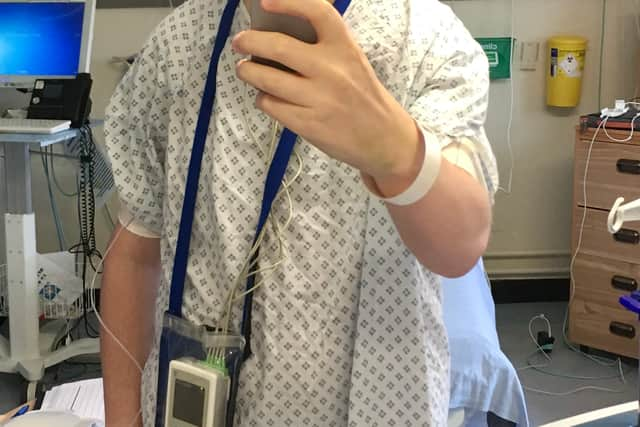
In February 2019, Dave was placed on the urgent heart transplant list, and after waiting in hospital for four weeks for a donor organ to become available, he had his transplant in March 2019 at Harefield Hospital in London.
“I think when you’re sitting in a hospital room and you know that your only chance of a better future is for someone else’s life essentially to come to an end, that’s part of the equation you have to come to terms with, and you have to understand it, and you have to negotiate it,” Dave said.
“It’s an emotional time. It makes you find out things about yourself that you never knew, and you discover strengths that you never ever believed you would have.”
After the surgery, Dave faced a long period of recovery and needed to learn to walk again – but he said he is now “so much more healthy”.
“I’m much more positive about the future because there is one, and I’m living it,” he added.
“There is the idea that transplant is a cure – it is not a cure. It’s a different set of better circumstances, I would call it. So you have to be mindful. It’s something that you have to learn to live alongside.”
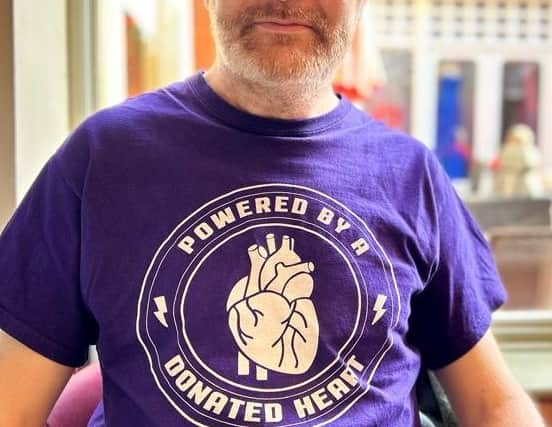
Dave said that he feels he is “living a life I otherwise wouldn’t have had”, adding that it has changed his perspective and that his ability to “decipher what’s important and what’s not important is much clearer”.
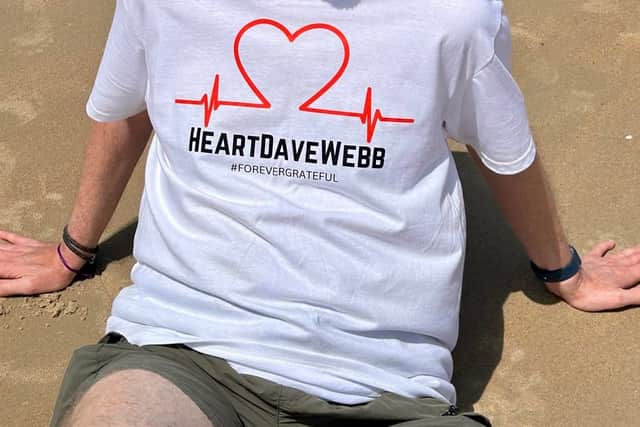
As such, last year he decided to give up the day job he loved, working in data for education, and started Heart Dave Webb – through which he does talks about the importance of organ donation and the power of transplants – and expanded his work as a freelance composer.
In 2024, Dave took part in his first British Transplant Games, an annual sporting event for transplant patients, representing the Harefield Team from the hospital where he received his transplant.
He was so touched by the event, which he described as “like a festival of life”, that he composed a piece titled ‘Fanfare and Overture for the British Transplant Games’, which he dedicated to all organ donors and their families.
“I was overwhelmed by the camaraderie and the community feel, and the fact you’ve got transplant patients in their 70s, you’ve got transplant patients who are under 10… they’re now living a much better life through that gift,” he said.
Dave was proud to hear the piece played at the opening ceremony for this year’s British Transplant Games, held in Sheffield from August 6 to 9.
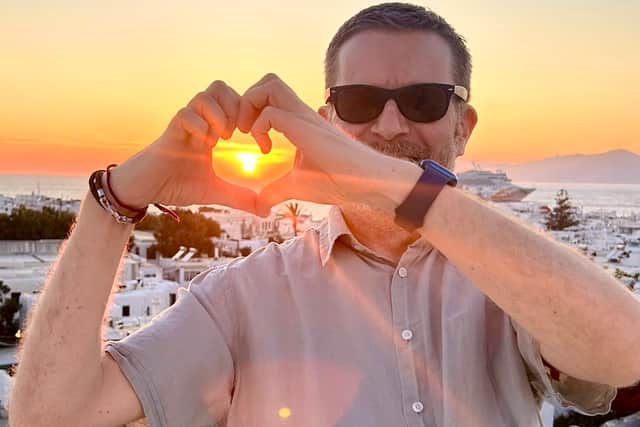
Dave encourages everyone to “be open about what they want” to happen to their organs after their death, to register to donate through the NHS Organ Donor Register, and to “have conversations” and “share your wishes” with their loved ones, as families can overturn a person’s decision to donate if they aren’t sure of their wishes.
He said that he feels “incredibly humble (and) forever grateful” since he, his brother, and thousands of others are alive today because of the “altruistic” act of organ donation.
“I never lose sight of that. I don’t think any transplant patient does.”
To register your decision on the NHS Organ Donor Register, visit organdonation.nhs.uk/register-your-decision.
Find out more about the British Transplant Games at transplantactive.co.uk/britishtransplantgames.