
Tipperary animal rescue group calls for tighter controls on large-scale dog breeding

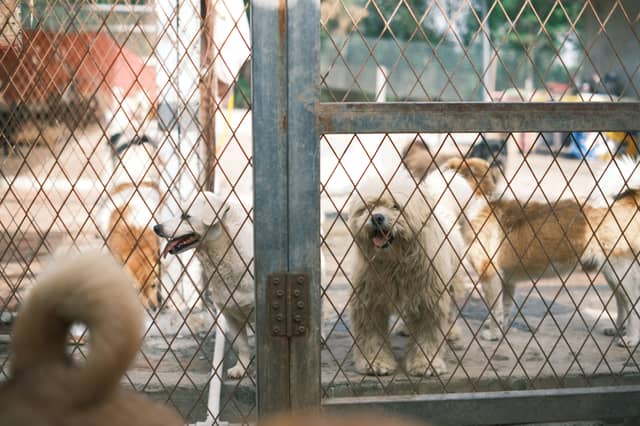

The Haven Rescue recently made a submission to the Oireachtas Joint Committee on Agriculture and Food
A Tipperary animal rescue organisation has called for tighter controls on commercial dog breeding, warning that large-scale puppy production is adding to the pressure on Ireland’s already overstretched dog rescue and animal welfare services.
The Haven Rescue has made a submission to the Oireachtas Joint Committee on Agriculture and Food regarding the proposed Dog Breeding Establishments (Amendment) Bill 2026.
The submission stated that the organisation’s concerns were based on more than 10 years of direct experience working in dog rescue and dealing with the consequences of large-scale breeding.
They pointed to national Dog Control Statistics showing that 7,041 dogs entered local authority pounds in Ireland during 2024, while 655 dogs were euthanised. This represented a 10% increase in euthanasia compared with 2023, despite fewer dogs entering pounds.
The Haven said these figures did not include the full number of dogs being dealt with directly by independent rescues and animal welfare organisations.
“Rescue organisations and local-authority pounds are under enormous pressure,” the submission states.
It also highlights the continuing impact of the demand for puppies during the Covid period, when dogs were advertised and sold for extremely high prices.
“Many of the dogs acquired during that period are now adults, and rescues are seeing dogs surrendered when owners can no longer care for them or when behavioural, financial, housing or other difficulties arise,” it states.
Against that background, The Haven said serious consideration needed to be given to the justification for continuing to permit puppies to be produced on an industrial or farm-like scale.
The organisation also raised concerns about traceability, citing figures showing that 56% of stray dogs entering local authority pounds in 2024 were not microchipped.
It said thousands of dogs were entering pounds, rescue organisations were under pressure and many dogs remained inadequately microchipped or registered, while establishments could continue producing puppies on a substantial commercial scale.
The Haven said greater scrutiny was needed regarding the international trade in dogs bred in Ireland and what happened to breeding dogs when their commercial breeding lives ended.
It said it was particularly concerned about former breeding dogs and older females being moved from Ireland to rescue organisations in the United Kingdom for rehabilitation and rehoming.
“It is extremely difficult to reconcile claims of high animal-welfare standards with a system in which dogs can spend their productive lives breeding commercially in Ireland, only for the responsibility for rehabilitating and finding homes for them in retirement to fall to charities and rescue organisations, including organisations outside this State,” the submission states.
“Ireland should be capable of taking responsibility for the welfare of the dogs bred here throughout their entire lives.”
The Haven stressed that its concerns were not directed at responsible breeders who prioritise the health, temperament and welfare of their dogs. However, it said its experience in rescue meant it regularly encountered the consequences of poor breeding practices.
The organisation described seeing poorly socialised and fearful dogs, puppies with health and parasite concerns, and owners who had not been adequately informed about their new pet’s healthcare needs.
The Haven is calling on the committee to consider a review of the appropriate maximum scale of commercial breeding establishments, alongside meaningful and enforceable socialisation and habituation standards for puppies and adult breeding dogs.
Other recommendations include staff-to-dog ratios based on the ability to provide genuine welfare, enrichment and individual attention, as well as appropriate education, training and competency requirements for staff.
The organisation also wants temperament and behavioural suitability considered when selecting breeding dogs, mandatory veterinary assessments and appropriate breed-specific and genetic health screening.
It is seeking clear criteria for establishing when a dog should not be bred from, stronger record-keeping and microchip transfer requirements, and minimum health and veterinary information standards when puppies are sold.
Another recommendation is that every male and female breeding dog should have a documented retirement and rehoming plan.
The submission argues that the legislation should look beyond the basic physical conditions in which dogs are kept.
“Ultimately, we believe the legislation should ask more than whether a breeding establishment is capable of keeping dogs alive, clean and physically capable of reproduction,” it states.
The Haven said the proposed legislation presented an opportunity to improve the treatment of breeding dogs and puppies and to change Ireland’s reputation for large-scale puppy production.
It concluded by asking that the practical experience of rescue organisations dealing with the consequences of poor breeding practices be given meaningful consideration as the legislation is developed.