
KILDARE WILDLIFE COLUMN: Pop, pop, pop goes the Gorse

Nuala Madigan from the Irish Peatland Conservation Council
As we continue in these winter months looking around our communities, I notice that most of trees have now lost the bright colours of the autumn berries as they have offered a valuable source of food for our local wildlife.
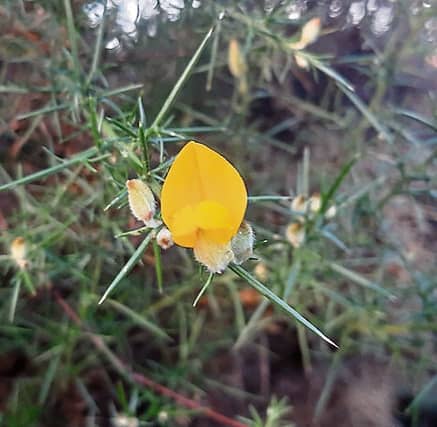
This week, I did notice the first signs of spring as the bright yellow flowers of Gorse (Aiteann gallda as Gaeilge) emerged.
This wildflower is one of the few plants that will actually flower all year, however there are always times during the year as the coconut scented flowers are pollinated, the fruit emerges followed by the plant making a distinctive popping sound as the seeds are dispersed. This leaves the Gorse with no flowers.
You may also know this native shrub referred to a Whin or Furze. Another unmistakable characteristic of Gorse is of course the shape of the leaves that have adapted into green thorns.
It is not fussy when it comes to choosing a habitat, you will find Gorse growing on the open plains of the Curragh to the bog road you travel across, and even the coastal areas you visit in warmer weather.
While Gorse is difficult for us to get close to due to its prickly nature it is still a valuable habitat for wildlife including nesting birds.
As it is early to flower you would expect that Gorse would be consider an early source of nectar for bees similar to Dandelion, however the pea shaped flower makes it difficult for the bees to reach the nectar hidden within.
Similar to many of Ireland’s native plants there are records in the National Folklore Collection of the benefits that Gorse offered our communities years ago.
It was described how the flowers were boiled to make a liquid feed to help cure livestock of worms. Reading a little more, Gorse was also collected as a food source for livestock, it was used to make sweeping brushes and even burned to heat homes.
Over the coming weeks I hope to bring you the first signs of spring as they emerge you can help by sending images from your local area to [email protected].