
Huge concerns over use of ministerial directions in NI, committee chair says
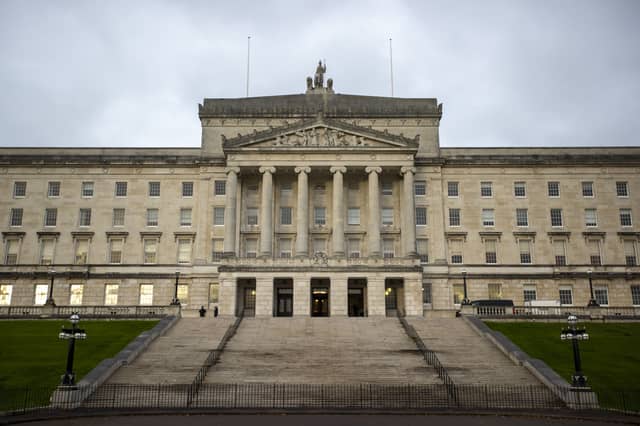

Huge concerns exist over the prevalence of Stormont ministers making major spending decisions against the advice of senior civil servants, a committee chair has said.
Daniel McCrossan, chair of Stormont’s Public Accounts Committee, was reacting after Northern Ireland’s Auditor General said she had been unable to discover why there was a much higher rate of ministerial directions issued in the region than other parts of the UK.
Ministerial directions are formal instructions from ministers directing their permanent secretary to proceed, despite objections, with a spending plan.
Representatives from the Northern Ireland Audit Office gave evidence to the Public Accounts Committee, following a report on the issue.
Brian O’Neill told MLAs that a total of 105 ministerial directions had been issued since 1998, with an approximate value of £2.4 billion of budgeted expenditure.
He said: “Approximately half of these, 51 in total, represented total expenditure of about £1.4 billion in relation to the Covid-19 pandemic when ministers and departments were seeking to release critical funds into the local economy at a time of great need.
“However, we noted that since 1998, the Welsh government has only issued one ministerial direction, the Scottish government has issued five and in Westminster a total of 82 were issued.
“So the use of ministerial directions in Northern Ireland has been significantly more prevalent than in any other part of the UK.”

Mr McCrossan said: “When you look at other jurisdictions it jumps off the page, 105 ministerial directions used since 1998 with an approximate value of £2.4 billion.
“Why do we issue so many more? What are we doing differently here or wrong here compared to other jurisdictions?”
Auditor General Dorinnia Carville said: “That is something we couldn’t get an answer to when we were carrying out our study, something that we were very keen to work out why as well.
“One of the things we pointed out in our report is that a ministerial direction should be a rare event because when you go back to managing public money it does suggest a conflict of opinion between the permanent secretary and their minister.
“Obviously that is not somewhere that anyone wants to be.
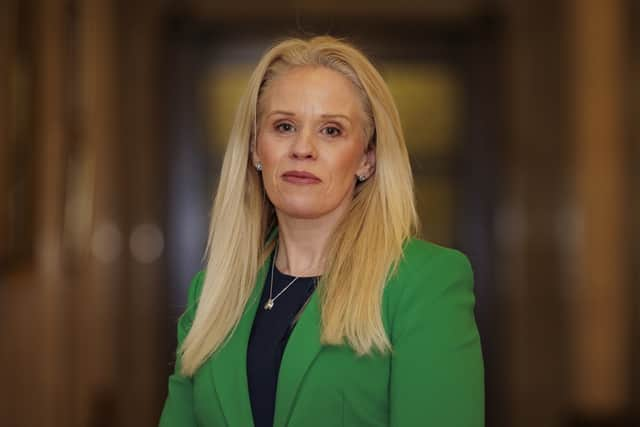
Mr McCrossan said: “I think it raises significant questions… Is there an attitude in some of these departments that this is just a quick way to get things done?
“I don’t quite understand that this region, given its size, has issued so many ministerial directions and has gotten away with it for such a significant period of time.
“It really raises huge concerns.”
The committee agreed to write to the TOA to invite it to give evidence on the issue.