
Patrick McDowell nods to Dior’s New Look at London Fashion Week
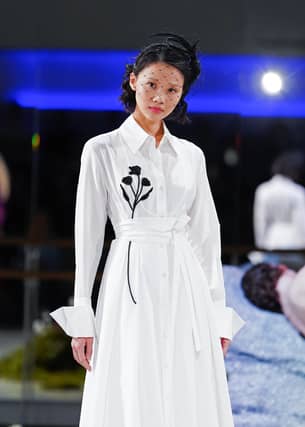

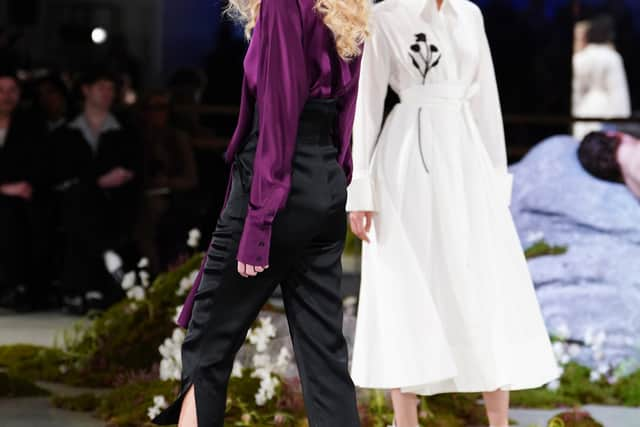
The London-based Liverpudlian is among the most talked-about designers on this season’s schedule.

Following a standout ready-to-wear spring/summer show last September, McDowell showed no signs of dialling it back this season.
Drawing inspiration from George Platt Lynes – the 1930s and 1940s Vogue photographer known for his striking compositions and nuanced studies of the male nude – the collection explored ideas of form, proportion and observation.
“George Platt Lynes’ understanding of form, proportion and elegance was the main reference for this collection, informing both the silhouettes of the looks and the craftsmanship behind them,” McDowell said.
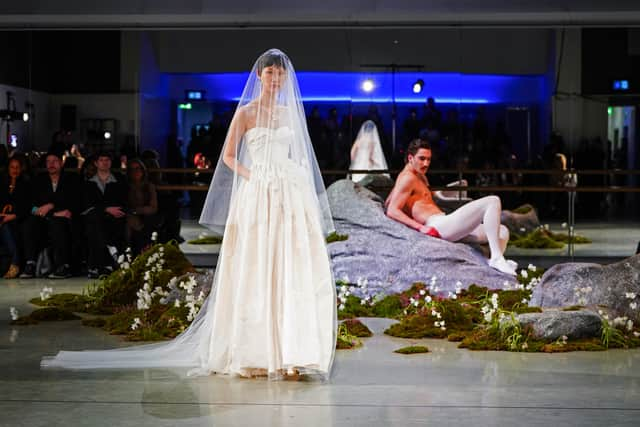
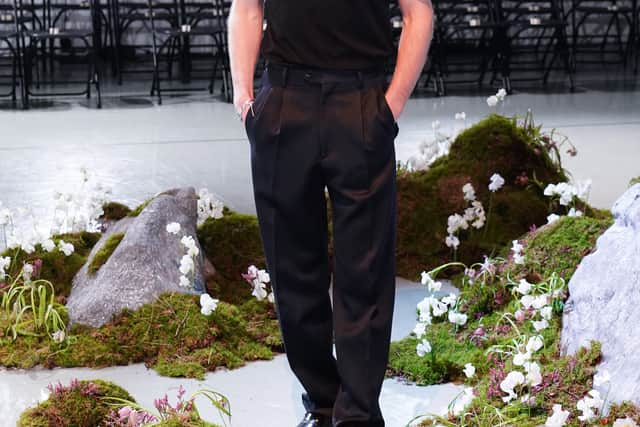
Rising and shifting position throughout the show, he moved in a slow, deliberate rhythm, his presence contemplative and introspective – a living embodiment of the “gaze” the collection interrogated.
On the runway, silhouettes were a standout. Exaggerated hourglass waists and nipped-in tailoring nodded to Dior’s “New Look” of the 1940s, while peplums – a trend seen across both London and New York this season – flared from jackets and dresses to accentuate the waist.

The colour palette was tightly edited: black and deep plum dominated, offset by flashes of ivory. Silk was central to the collection, lending fluidity to draped gowns and structure to corseted bodices. McDowell’s signature florals appeared throughout, woven into sculpted dresses and sharply cut separates.
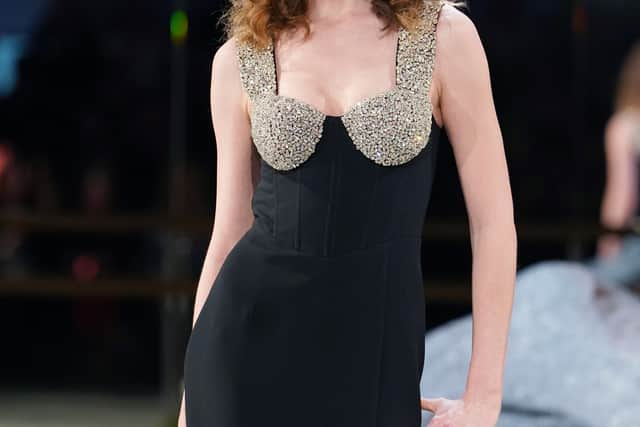
Button-down dress coats and tailored waistcoats grounded the more romantic elements like floral and drop-waist dresses, ensuring the collection perfectly balanced sensuality with control.
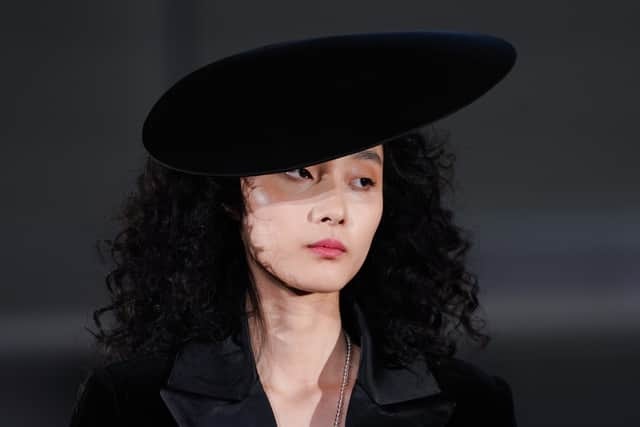
McDowell worked with the Irish milliner Patrick Treacy to create the headwear. Treacy was granted a royal warrant by Queen Camilla in 2024.
As ever, sustainability underpinned the show.
McDowell is known for transforming deadstock fabrics into pieces reminiscent of heritage couture houses, reconstructing trench coats into corsets and sculpted skirts and elevating vintage textiles into modern eveningwear.
That commitment is rooted in McDowell’s early years. Long before Central Saint Martins or placements at Burberry, they were repurposing discarded materials into bags to sell at school aged 13 – an instinct to transform the overlooked into the desirable that continues to define the brand.
With “The Gaze”, McDowell combined theatrical staging, classic tailoring and a disciplined palette to deliver a collection that felt both nostalgic and refreshing. By framing glamour through the lens of sustainability and authorship, they offered a show that was as thoughtful as it was visually arresting.