
The importance of rhum agricole, according to Vanessa Bolosier

Food writer Vanessa Bolosier’s dad was from Martinique, “But he moved to Guadeloupe for love. And it sounds funny that way,” she muses, “most people would think, ‘Oh, well, one island to the other, what’s the difference?’
“But the same way there’s friction within countries, there is friction between the two islands. ‘Our water is better, our rum is better’.”
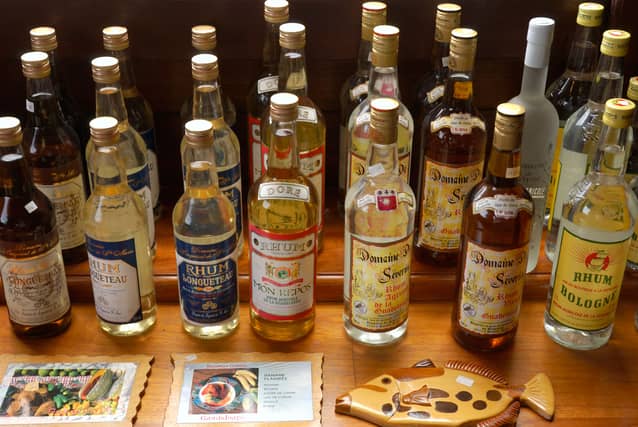
When it comes to rum though – rhum agricole – according to Bolosier, both Guadeloupe and Martinique have something “special” going on. It is “basically made from pure sugar cane juice that goes through fermentation”, she explains, “it’s not made from sugar cane by-product”, the way some rums are.
Admittedly, there are good ones made that way she says, (“I’m not gonna knock my Caribbean brothers and sisters”), but a lot “are made from molasses, sugarcane waste, whereas we [in Guadeloupe and Martinique] take the pure juice from the cane, and that’s why it’s called ‘agricole’ – because the rum needs to be produced very near to where the cane is harvested, in agricultural environments, because the fermentation is quite quick”.
“Not many islands or regions actually can say their rum is as pure as the rum you get in Martinique and Guadeloupe, which is why I’m very proud of it,” says Bolosier. “It’s something that makes us stand out.”
There’s also a lot of choice between different distils, and “the distilleries are so unique in themselves”.
“If you think about Guadeloupe, for instance, and the fact you’ve got five different islands – you’re talking about at least three different soil types,” she says – including volcanic and coral.
Sunshine Kitchen: Delicious Creole Recipes From The Heart Of The Caribbean by Vanessa Bolosier is published by Pavilion Books, priced £12.99. Photography by Clare Winfield. Available now.