
Why Amsterdam is blooming wonderful at the height of tulip season
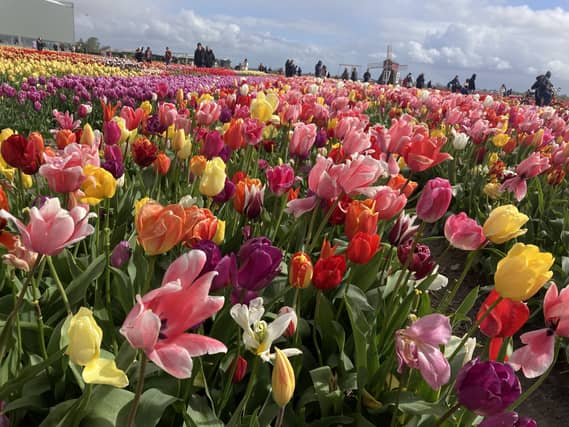

There are peals of laughter behind me as I snap photos of a sea of colourful tulips in a field an hour’s drive outside Amsterdam city centre.
I turn to see a elderly couple chuckling as a woman helps a man to stand in a pair of over-sized clogs.
She takes a step back and he grins widely as she takes his picture before they swap places.
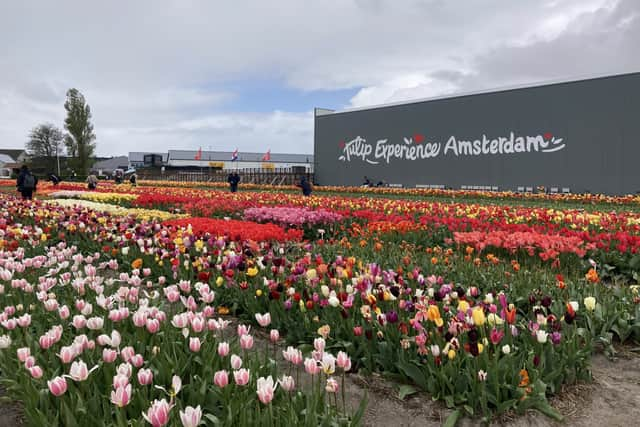
Around me, groups take the opportunity between spring showers to head out into the show gardens to take Instagram-worthy selfies among long, neat rows of tulips interspersed with quintessentially Dutch icons such as those clogs, bikes and a windmill.
The hangar which houses the attraction’s museum and exhibition is packed with visitors – it is the busiest day of the year so far and the tulip season lasts a matter of weeks – but outside feels spacious, with room for everyone to enjoy the Netherlands’ famous flower.
But as I soon find out, while Max Bygraves may have sung of Tulips from Amsterdam, the tulips are from Kazakhstan and arrived here in the 1500s via what is now present-day Turkey.

These nuggets of information are provided by Sylvia, a third generation member of the Pennings family. Her grandfather started a tulip bulb business in 1951.
In a short tour of the museum, she tells our group the experience was established by her father, Simon, five years ago, partly in response to concerns that bulb fields were being damaged by visitors keen to take photographs of themselves among the flowers.
Sylvia is an enthusiastic guide as she tells us of the bulb’s history and how it is cultivated.
Naming tulips after celebrities or well-known products is common – apparently it is easier to sell a tulip with a popular name.

Later, as I sit sipping champagne, enjoying a picnic lunch in a peaceful setting overlooking fields of red tulips, I wonder out loud if there is a Dua TuLipa. If not, someone has missed a trick.
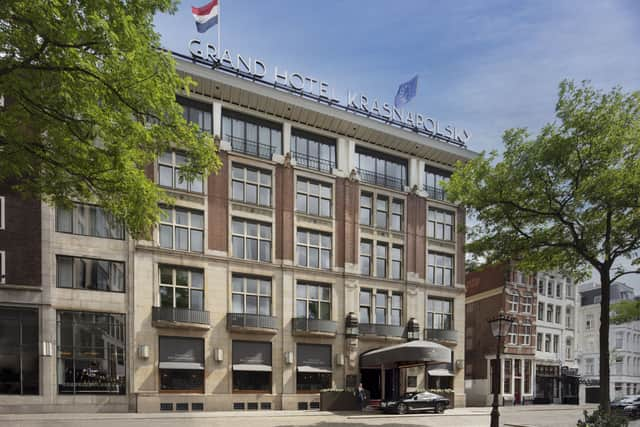
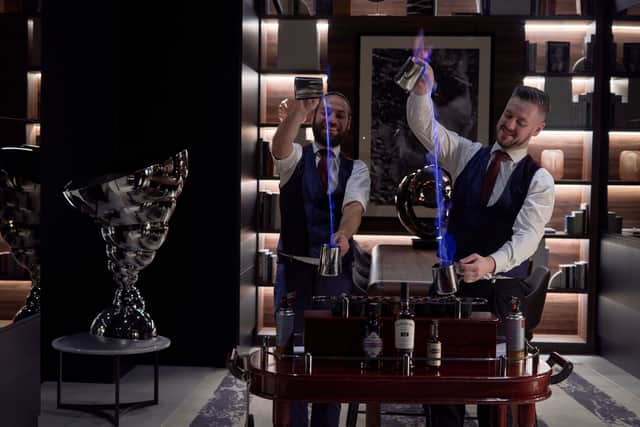
Back at my hotel – the Anantara Grand Hotel Krasnapolsky – I enjoy a delicious cocktail containing tulip-infused vodka, Aperol and elderflower in the luxurious surroundings of Bar The Tailor.
The bar is named in tribute to the hotel’s original owner, Adolf Wilhelm Krasnapolsky, a tailor who opened a coffee-house more than 150 years ago which evolved into the hotel.
His influence is seen throughout the bar – the flooring sports a tailor’s marks, the light fittings resemble thimbles, the bar staff are known as “tailors” and an over-sized pair of scissors hangs from a wall.
This is a different Amsterdam to the one I last visited 20 years ago.
It may be the places I go, but there are less stag dos and large groups of inebriated people than I remember.

One afternoon I take a guided walk through the city’s three main canals; Herengracht (Gentleman’s canal) the most elegant of the trio, Keizersgracht (Emperor’s canal) and Prinsengracht (Prince’s canal) and into the Jordaan area.
This district, our guide Thijs says, is popular with locals. It was originally a poor part of the city, but now it is known for its architecture, good restaurants and shops.
As I walk, I sample some of Amsterdam’s best culinary offerings – starting with herring. Across the city, there are small huts selling Dutch herring. Served with chopped raw onion and pickled cucumber slices, it is filleted just moments before it is served.
As the weather turns cold, our group stops at a little chocolate shop for coffee and Stroopwafel – two layers of thin baked waffle held together by a caramel.
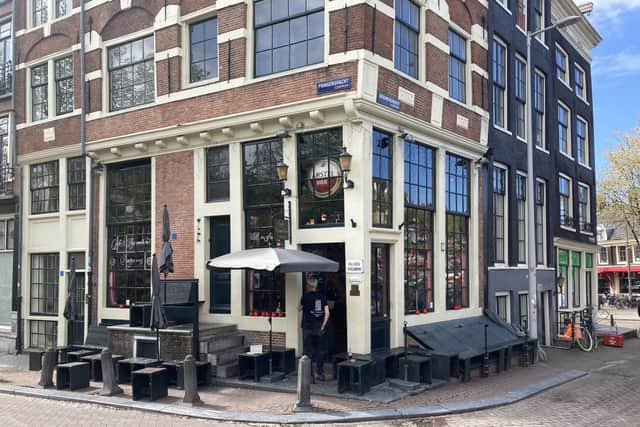
Here I stop to enjoy another Dutch treat – apple pie. The flaky pastry, surrounding layers of crunchy apple, is immensely satisfying and gives me a feeling of contentment.

How to plan your trip
Rooms at Anantara Grand Hotel Krasnapolsky start from £264 per person with breakfast. Visit anantara.com.
The Tulips in Bloom experience (four to six hours) costs €599/£512 for two. Available in the spring only.