
William reviews rental policy for charities after criticism of Duchy of Cornwall
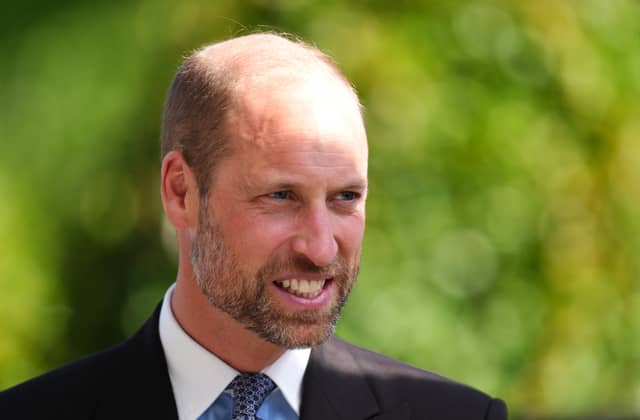

The Prince of Wales is overseeing an “era of deep change” at the Duchy of Cornwall in the wake of criticism over multimillion-pound deals the landed estate struck with public bodies.
William’s duchy, which provides him with a private income of nearly £23 million a year, has launched a policy review of the rents it receives from charities and grassroots community groups.

He said William wanted to ensure the duchy operated in a “modern, socially minded way” and that the rents being saved amounted to a “very significant sum”.
It follows an investigation last November into the prince’s Duchy and the Duchy of Lancaster estate, which provides a private income for the King, by Channel 4’s Dispatches and The Sunday Times which found the estates had secured rental agreements worth millions of pounds with the armed forces, the NHS and state schools.
Mr Bax said the duchy was also looking at including schools in the community groups who would be eligible for the rent waiver.
The investigation last year revealed the duchy was set to earn around £600,000 over the lifetime of six different leases agreed with local state schools.

Mr Bax said: “It would be remiss not to address the media scrutiny the duchy has experienced this past year.
“We’ve used these challenges as an opportunity to stop and reflect both the duke and I are clear that we want the duchy to be world class in our approach to supporting people, communities and nature to flourish and to realise that aim, we must operate and communicate in a modern, socially minded way.”
He added: “It’s clear we’ve entered an era of deep change, but we change, not because we disrespect our past, but precisely because we do respect it.”
The policy review will, however, not alter commercial relationships with public bodies such as the Ministries of Defence and Justice.
The Dispatches and Sunday Times report showed the duchy signed a £37 million deal in 2022, before Charles became King and William the Prince of Wales, to lease Dartmoor Prison to the Ministry of Justice, paying £1.5 million a year over 25 years, and a deal with the Ministry of Defence to allow the Armed Forces to train on Dartmoor land.
It also said the Duchy of Cornwall had charged the Navy nearly £1 million since 2004 to build and use jetties and moor warships on the coastline.
Accounts released on Monday showed the duchy generated profits of £22.9 million, down £700,000 from £23.6 million the previous financial year (2023-2024).
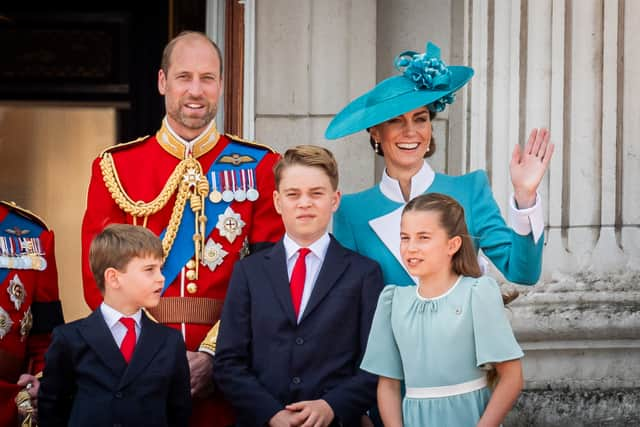
The money is used to fund the charitable, private and official lives of William, the Princess of Wales and their children Prince George, Princess Charlotte and Prince Louis.
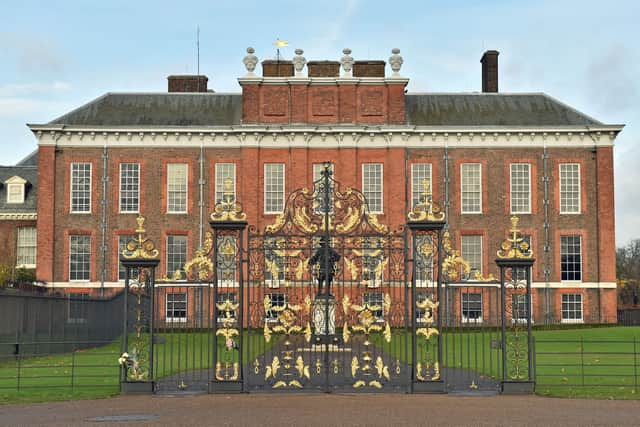
Diversity figures show 13.2% of staff were from an ethnic minority background, down marginally from 14% of staff the year before, and that 70.6% of Kensington Palace staff are female and 29.4% male.
The Palace confirmed the prince pays the highest rate of income tax once official costs have been deducted, but the amount he paid in tax was not disclosed.
The King, as the previous Prince of Wales and Duke of Cornwall, disclosed the voluntary tax he paid in his annual Clarence House review – £5.892 million in 2021/22.
But William has ended this level of disclosure since he became the Prince of Wales, and no such detail is provided for the Waleses’s household.
The Duchy said: “While marginally down on the previous year, the Duchy is pleased to have remained resilient amid continued economic uncertainty.”
Other updates at the Palace briefing included news that water voles have been successful reintroduced to the River Fowey’s wetland corridor in Restormel after becoming extinct in the region in the 1990s.

William also stepped in to help Cornish football team Mousehole AFC who were struggling with access to their club down a pothole-ridden lane.
Emerging as a reader of The Guardian where he learned about the issue, William brought together a coalition of people to solve the problem, with construction work due to begin on a new road this week.
Republic, which campaigns for an elected head of state, highlighted that William’s £23 million a year income was 138 times more than the Prime Minister’s salary.
Graham Smith, Republic’s chief executive, said: “It’s time the Duchies were taken off royal hands, and it’s time these figures were released by government to Parliament, where they can be properly scrutinised.”
Meanwhile, Buckingham Palace confirmed the King has appointed William and Kate as grantors of Royal Warrants.
A Royal Warrant of Appointment is granted as a mark of recognition to people or companies who have regularly supplied goods or services to the Royal Household.
Any of the King and Queen’s current Royal Warrant holders can apply to be granted a further Royal Warrant from the prince and princess, with a deadline of the end of July.
Firms without existing Royal Warrants will be able to apply next year.