
Alcohol death figures just ‘tip of an iceberg’, says Todd
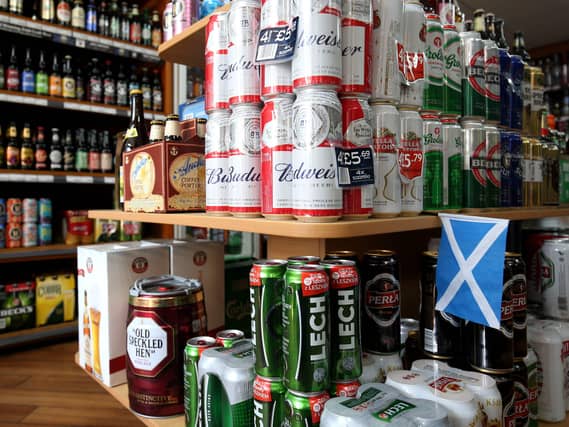

Figures released on Tuesday showed a 3% reduction in alcohol-related deaths, but only covered conditions directly attributable to drinking.
Alcohol death figures are only the “tip of an iceberg”, Scotland’s drugs minister has admitted.
Statistics released on Tuesday show a 3% drop in the number of alcohol specific deaths – which include all deaths directly attributed to drinking.
But speaking to the Press Association during a visit to Fife in the hours after the release of the figures, Maree Todd said it was important to consider the impact on other conditions not covered by the figures.
“I’m really pleased to see a 3% reduction in the number of alcohol-related deaths in Scotland,” the minister said after she expressed her condolences to those who had lost a loved one.
“But it’s very clear that there’s more that we need to do.
“The level is still far too high and it’s worth bearing in mind that those figures in the statistics today are literally the tip of an iceberg.
“They’re the direct alcohol-related deaths and underneath that tip will be a number of cardiovascular deaths, a number of cancer deaths, a number of accidents where alcohol was a contributor.
“So it’s really important that we remember that perspective today.”
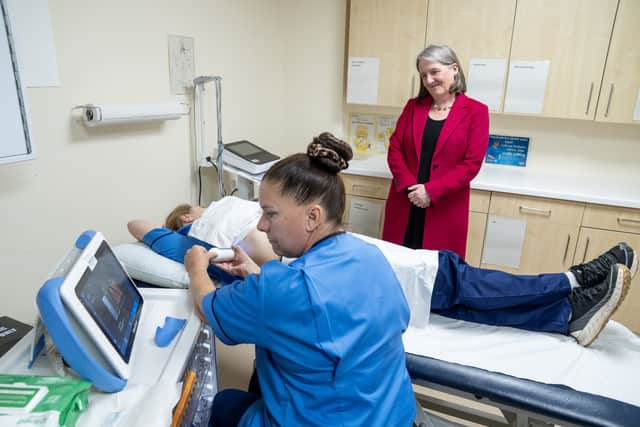
During her visit to Whyteman’s Brae Hospital in Fife, Ms Todd pledged £164,000 for a pilot scheme to embed alcohol care teams in hospitals to provide support to those struggling with addiction.
Dr Alastair MacGilchrist, chairman of Scottish Health Action on Alcohol Problems, agreed with the minister.
He said: “The true toll on Scotland’s health is far greater and preventing alcohol harm must be treated as a priority across the whole health service.”
The minister added she was open to a conversation about further increasing the minimum unit price on alcohol.
Figures released by National Records of Scotland (NRS) on Tuesday showed 1,152 alcohol specific deaths recorded in 2025, down from 1,185 the previous year.
But the gap between the richest and poorest increased during that period, with the rate of death for those living in the least affluent areas sitting at 40.2 per 100,000, compared with just 8.3 for their more well-off counterparts, a gap of 31.9.

The previous year, 40 people per 100,000 of the most deprived died, compared with 8.8 of the richest, a gap of 31.2.
The decrease was driven by a drop of 43 deaths in men, despite an increase of 10 female deaths in 2025.
Scottish Labour deputy leader Jackie Baillie said the gap between the richest and poorest was “shameful”.
“There is so much more we must do to tackle this problem, save lives, and support those in our communities who are living with the devastation,” she said.
“That means investing in alcohol and substance misuse recovery services, maintaining national funding, and recouping profits from minimum unit pricing from large retailers in order to fund frontline rehabilitation services.
“Scotland needs a clear plan to prevent families from experiencing the pain of losing a loved one to alcohol misuse, and Scottish Labour is willing to work with the Scottish Government to help guide that work.”
Scottish Tory health spokesman Miles Briggs said there is “no room for complacency” and warned the Government not to “double down” on minimum unit pricing.
“Far too many people are still losing their lives to alcohol and most shockingly it is still those living in the most deprived areas who are most likely to die after two decades of the SNP being in power,” he said.
“SNP ministers must stop pushing their harm reduction policies when it comes to tackling Scotland’s longstanding issues with drug and alcohol addiction.
“Instead, they should invest properly in rehabilitation facilities and services to ensure that all of those who need support with addiction know they have somewhere to turn to.”
Dr Maria Casserly, the chairwoman of the addictions faculty at the Royal College of Psychiatrists in Scotland, said the reduction was “positive”, but warned against complacency.
“To build on the progress made, we need specialist alcohol services to be available and accessible to people with alcohol problems in all hospitals in Scotland,” she said.
“This will ensure that the tens of thousands of alcohol-related admissions to general hospitals can be used as opportunities for intervention and change.”
Carolyn Lochhead, chief executive of Alcohol Focus Scotland, accused the Government’s response of not matching the rhetoric.
She said: “The recent alcohol and drug strategy commits to improving treatment and services, which is vital.
“But to make real change, we need to give equal priority to preventing people from needing these services in the first place: and that means Government action to make alcohol less central in our society.
“We want to see that happen as part of a comprehensive prevention plan, with action to keep controlling alcohol prices, restrict advertising and reform the licensing system.”