
Winter Olympics: What life is like in the Beijing Games closed-loop system
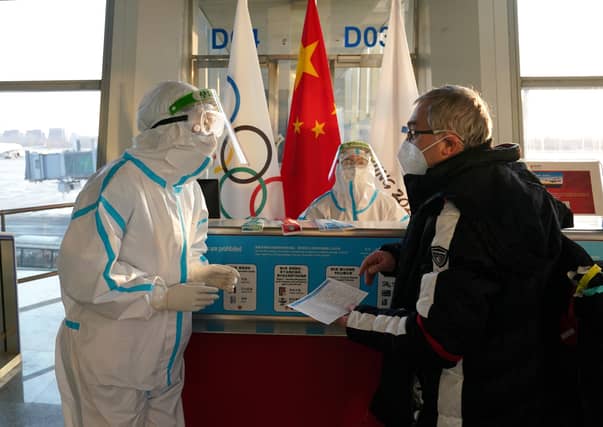

Hazmat suits and sore noses serve as an unlikely welcome to Beijing as visitors prepare to plunge into the ‘closed-loop’ system for the duration of the Winter Olympics, which officially open in the Chinese capital on Friday.
Strict anti-virus protocols have rendered the city entirely off-limits to all but accredited Games personnel, who endured two weeks of health monitoring and at least two stringently monitored PCR tests even before touching down.
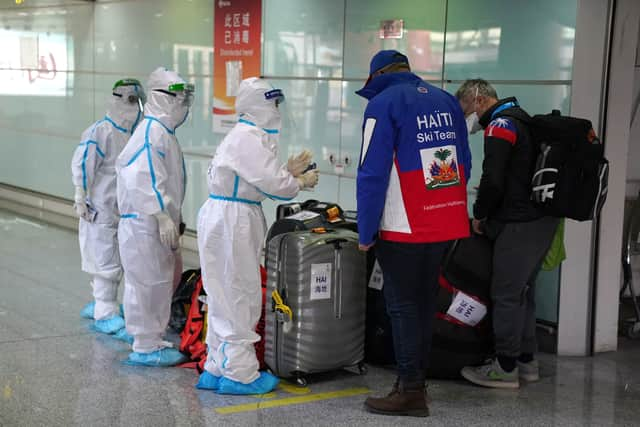
Having been ushered to their pre-authorised accommodation, visitors must spend around two hours consigned to their rooms before the phone call which relays either their right to enter the ‘closed loop’, or news of a dreaded positive test.
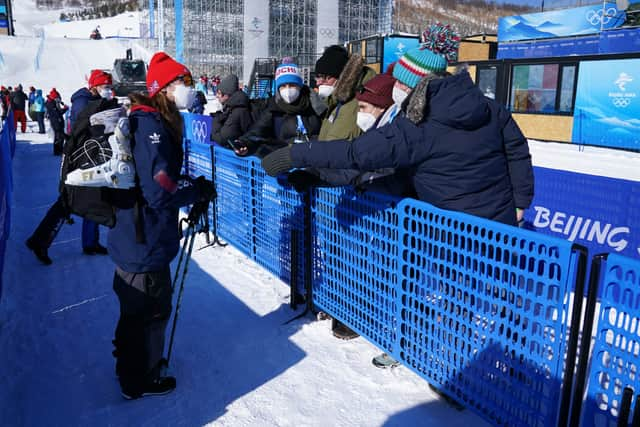
Likewise, anyone deemed a ‘close contact’ of a positive case – generally by having been unfortunate to sit close to the afflicted member on their inbound plane – must also undergo quarantine before they can be carefully reintegrated into the system.
Once admitted to the ‘closed loop’, media are able to go about their business relatively undisturbed, save for the daily PCR test which is required before they are able to set foot from their hotel into a waiting media bus.
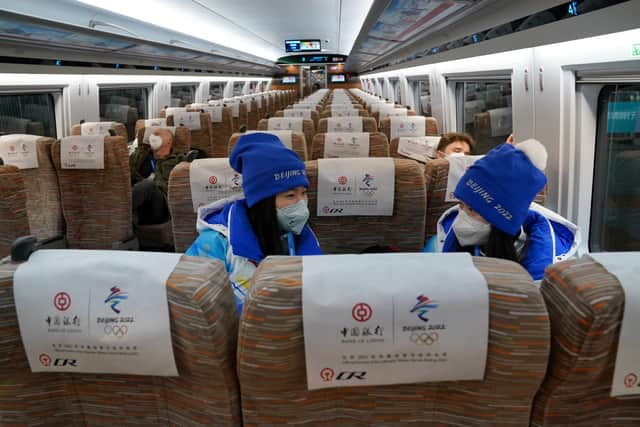
Even the smattering of local fans who have been allowed into venues were specially selected and obliged to undergo an obligatory two-week isolation prior to being admitted.
The ‘closed loop’ system will remain in place until the end of the Paralympics next month, at which point the hazmat suits will finally be discarded, the barriers breached, and Beijing will readjust to its new kind of reality.